FAQ
Q1: What is climate change?
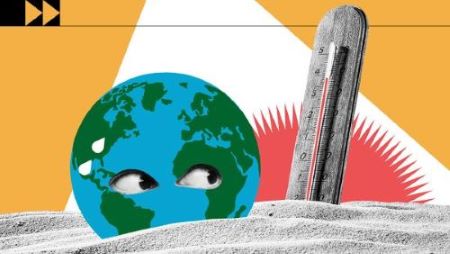
A1: Climate change refers to significant long-term shifts in Earth’s climate patterns, mainly manifested by changes in global average temperature, precipitation, and other indicators. Its causes are closely linked to greenhouse gas emissions from human activities. Climate change has far-reaching impacts on Earth’s ecosystems and human activities. Core resources of geoparks, such as geomorphic stability and biodiversity, may also be affected.
Q2: What are the main greenhouse gases causing climate change?
A2: The main greenhouse gases causing climate change include carbon dioxide (CO₂), methane (CH₄), nitrous oxide (N₂O), and freons. Among them, CO₂ has the greatest impact and the highest emissions.
Q3: How obvious is the trend of global warming since industrialization, and what are its direct impacts?
A3: According to the latest assessment by the Intergovernmental Panel on Climate Change (IPCC), the global average temperature has risen by approximately 1.1 °C since the Industrial Revolution (1850–1900). The main direct impacts include:
√ More frequent extreme weather events, such as high temperatures, heavy rain, droughts, and typhoons;
√ Melting glaciers and rising sea levels, threatening coastal areas and low-lying islands;
√ Imbalanced ecosystems, damaged species habitats, declining biodiversity, and the risk of extinction for some species;
√ Impacts on agricultural production, with rising temperatures leading to crop yield reductions and increased pests and diseases.
Q4: What is the IPCC and what role does it play in global climate change governance?
A4: IPCC stands for the Intergovernmental Panel on Climate Change. Established in 1988 and jointly sponsored by the United Nations Environment Programme (UNEP) and the World Meteorological Organization (WMO), it is the world’s most authoritative scientific assessment body on climate change. It provides governments and international organizations with scientific, objective and neutral assessment reports on climate change, offering a scientific basis for global climate governance.
Q5: What is the Paris Agreement?
A5: The Paris Agreement is a landmark document for global climate governance formally adopted at the UN Climate Change Conference (COP21) in December 2015. It officially entered into force on November 4, 2016, and now covers most countries around the world (including China), representing the core consensus for all countries to jointly address climate change.
Its core goals are: Hold the increase in the global average temperature to well below 2°C above pre-industrial levels and pursue efforts to limit the temperature increase to 1.5°C above pre-industrial levels; Strengthen the ability of all countries to adapt to the impacts of climate change and promote global climate governance toward fairness, inclusiveness and sustainability.
Q6: What are China's “Dual Carbon” goals?
A6: China's “Dual Carbon” goals are its strategic targets for addressing climate change, short for “carbon peaking” and “carbon neutrality”.
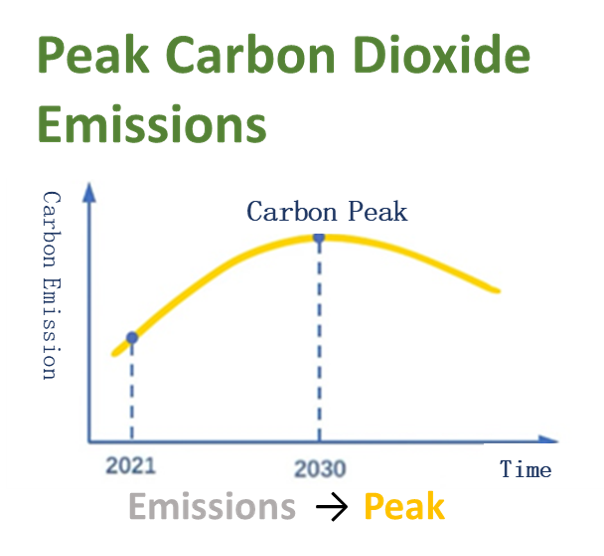
On September 22, 2020, at the 75th session of the UN General Assembly, China committed to striving to peak carbon dioxide emissions by 2030 and achieve carbon neutrality by 2060.
Q7: What is “carbon peaking”?
A7: “Carbon peaking” means that carbon dioxide emissions reach a historical maximum, and then gradually enter a steady decline without further growth.
Q8: What is “carbon neutrality”?
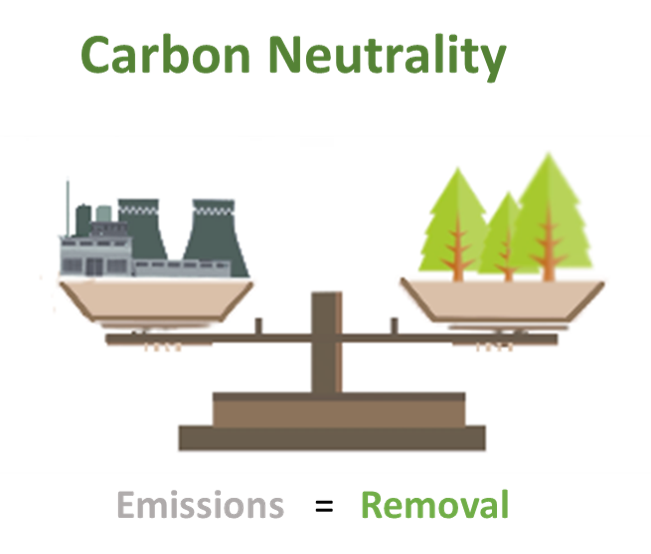
A8: “Carbon neutrality” means achieving net-zero carbon dioxide emissions through energy conservation, afforestation, carbon capture, utilization and storage (CCUS), and other measures (i.e., the amount of CO₂ emitted equals the amount absorbed).
Q9: To achieve the 1.5°C temperature control target, by how much must CO₂ emissions be reduced?
A9: To achieve the 1.5°C temperature control target, the core requirement is that global CO₂ emissions be reduced by 45% by 2030 compared with 2010 levels, and reach net zero by 2050.
Q10: What are the specific impacts of climate change on Earth's ecological security and human society?
A10: Climate change has comprehensive impacts on ecology and human society:
√ Ecological security: melting glaciers, declining biodiversity, frequent geological disasters, threatening landforms and ecosystems;
√ Water resources: uneven precipitation distribution, worsening droughts and floods, affecting drinking water and irrigation;
√ Food security: extreme weather causing crop yield reduction and increased pests and diseases;
√ Human health: extreme heat triggering diseases, expanded impacts of air pollution and mosquito-borne diseases;
√ Economy and society: damaged infrastructure, shocks to agriculture, tourism and other sectors, affecting development and stability.
Q11: What efforts must the world make in emission reduction to address global warming?
A11: Key efforts:
√ Reduce fossil fuel consumption, advance energy structure transformation, and develop renewable energy;
√ Optimize industrial structure and promote energy conservation and emission reduction in key sectors;
√ Protect and restore forests, wetlands and other natural carbon sinks to enhance carbon sequestration capacity;
√ Promote low-carbon technologies such as carbon capture, utilization and storage (CCUS);
√ Strengthen international cooperation.
Q12: What is clean energy?
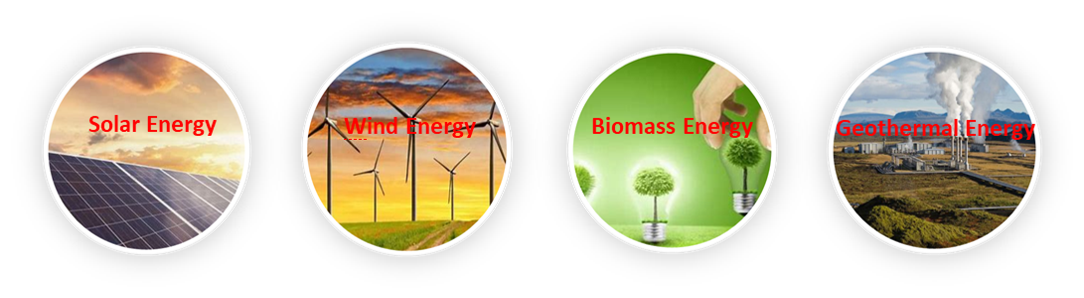
A12: Clean energy, also known as green energy, refers to renewable energy that emits no or low pollutants and is eco-friendly. It includes solar energy, wind energy, biomass energy, geothermal energy, wave energy, ocean current energy, and tidal energy. In addition, it also covers hydrogen energy, biogas, alcohol, methanol, etc. Its core features are cleanliness, low carbon, and environmental protection. It can reduce greenhouse gas emissions and serves as an important support for addressing climate change and promoting green development.
Q13: What is the relationship between biodiversity and climate change?
A13: Biodiversity and climate change interact with each other. On the one hand, climate change leads to species loss, habitat shrinkage and threatens rare species. On the other hand, intact ecosystems (such as the forests and wetlands in Sanqingshan) can sequester carbon, regulate temperature, mitigate extreme weather and enhance climate resilience. Protecting biodiversity means protecting the climate, and addressing climate change also promotes the restoration of biodiversity.
Q14: What is “climate resilience”? How to improve the climate resilience of ecosystems?
A14: Climate resilience refers to the ability of ecosystems and human societies to withstand the impacts of climate change, adapt, and restore normal functions.
Approaches to improving the climate resilience of ecosystems:
√ Protect and restore ecosystems, and maintain biodiversity and integrity;
√ Establish a digital monitoring and early warning system to respond to disaster risks in a timely manner;
√ Optimize land use, strictly control ecological redlines, and reduce human disturbance;
√ Promote ecosystem diversity to enhance anti-interference capacity.
Q15: What role do UGGps play in addressing climate change? What are their unique advantages?
A15: The UGGps act as ecological guardians, scientific observation stations, popular science education bases, and green demonstration models in addressing climate change. Their outstanding advantages include:
√ Ecological advantage: possessing intact ecosystems and rich biodiversity, serving as natural carbon sinks for carbon sequestration and environmental protection;
√ Observation advantage: featuring complete natural elements, acting as natural laboratories for climate change observation and research;
√ Science popularization advantage: able to promote climate knowledge through museums, science education trails, etc.;
√ Demonstration advantage: implementing low-carbon operation models and providing examples for ecological protection.
Q16: What is low-carbon living?
A16: "Low-carbon living" means reducing greenhouse gas (mainly carbon dioxide) emissions in daily life by individuals or groups. It is a scientific lifestyle to address global warming.
It is not distant; it is a more economical, environmentally friendly and healthy lifestyle centered on low energy, low consumption and low emissions — using one less kilowatt-hour of electricity, wasting one less drop of water, driving one less trip, and producing a little less waste.
Q17: What daily behaviors can reduce carbon emissions?
A17: Addressing climate change is the common responsibility of every citizen. We can take the following actions in daily life:
√ Low-carbon travel: Prioritize walking, cycling, and public transportation (subway, bus), reduce private car use, and promote new energy vehicles;
√ Save water and electricity: Turn off lights and taps when not in use, use energy-efficient appliances (such as LED lights and Level 1 energy-saving air conditioners) to reduce energy consumption;
√ Reduce waste: Practice the "Clean Plate Campaign", cut down on food waste, sort garbage, and promote resource recycling;
√ Green consumption: Reduce the use of single-use plastic products (plastic bags, disposable tableware) and choose reusable items;
√ Ecological protection: Take part in public welfare activities such as afforestation and vegetation restoration;
√ Spread knowledge: Popularize climate change knowledge to people around you, guide family and friends to adopt low-carbon lifestyles, and raise public awareness of climate protection.
Q18: How can tourists reduce carbon emissions during travel?
A18: Tourists can take the following actions during travel:
√ Travel: Prefer walking or cycling within scenic areas; take public shuttles first and reduce self-driving; use new energy vehicles if driving.
√ Food: Avoid single-use tableware, bring your own water bottle; drink local water, eat local seasonal fruits and vegetables, practice the Clean Plate Campaign and avoid food waste.
√ Accommodation: Do not request daily bed linen changes at hotels; refuse disposable toiletries. Adjust air conditioning temperature reasonably to avoid excessive heating or cooling.
√ Shopping: Use non-woven shopping bags; choose local, seasonal products with simple packaging to reduce packaging waste.
√ Tour: Plan routes reasonably, follow scenic area rules and do not damage vegetation; sort domestic waste and do not litter; turn off water and electricity after use; practice Leave No Trace travel.
Q19: What is waste sorting?
A19: Waste sorting refers to the scientific classification of waste into different categories (such as recyclables, kitchen waste, hazardous waste, and other waste) according to its composition, properties, utilization value, etc., followed by separate collection, transportation, and treatment. Its core goals are to achieve “reduction, recycling, and harmless treatment” of waste, reduce environmental pollution, and improve resource efficiency.
Q20: What is the significance of waste sorting for carbon emission reduction?
A20: Waste sorting reduces the volume of waste for disposal, thereby cutting carbon emissions generated during waste treatment. For example, landfills produce methane (a greenhouse gas 28 times more potent than CO₂), while incineration releases large amounts of carbon dioxide.
After sorting, recyclables (plastics, paper, metals) can be reused, reducing energy consumption and emissions from extracting and processing raw materials. For instance, recycling 1 ton of waste paper saves 20 trees and lowers energy use and CO₂ emissions from papermaking.
Kitchen waste can be composted, reducing greenhouse gases from landfilling or incineration.