
Sanqingshan’s cultural heritage integrates natural landscapes and humanistic deposits. Within its territory, more than 100 tangible cultural relics—including palaces, temples, pavilions, mountain gates, ancient paths, and cliff inscriptions—interweave with five intangible cultural heritage items. Encompassing Taoist traditions and local folk customs, they form a distinctive cultural system with profound historical significance and rich humanistic warmth.
Known as an "Open-Air Museum of Taoist Architecture", the park’s ancient Taoist architectural complex centers on the Sanqing Palace, laid out in accordance with the congenital Eight Trigrams (Bagua). The Wind Gate, Zhongmiao Thousand-Step Gate, and Chongxu Hundred-Step Gate form simple yet majestic passes along the ancient mountain trail; the Heavenly Gate Archway stands tall and solemn.
First built in the Song Dynasty and renovated in the Ming Dynasty, the Sanqing Palace features stone‑wood structures and classic couplets, carrying profound cultural connotations. Nearby, the Dragon‑Tiger Hall with its dragon‑headed and tiger‑headed stone carvings, the unique architectural style of the Jiutian Yingyuan Mansion, and the Taoist relics of the Yanjiao Hall each possess their own charm. The Immortal Flying Platform perched on precipices, the meticulously Baguadesigned Zhan Biyun Tomb, and landscape sites such as the Hanxing Pond and Tianyi Pond, which embody Taoist philosophy, together witness the prosperity and inheritance of Sanqingshan’s millennium-old Taoist culture.
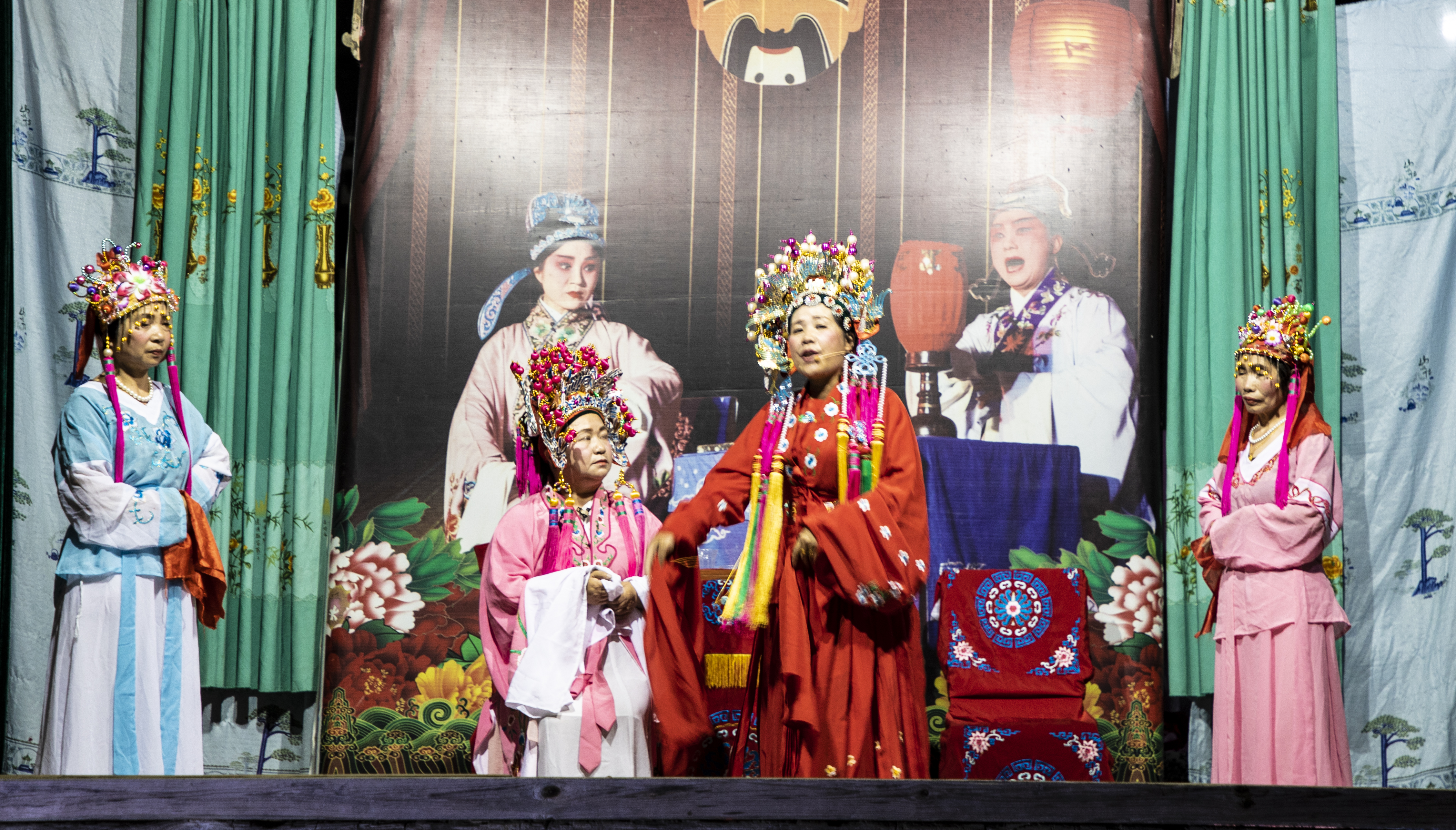
Intangible cultural heritage injects vibrant vitality into Sanqingshan’s cultural vein. The Yushan Hetang Feast custom embodies sincere hospitality and aspirations for a better life. As a representative traditional opera in northeastern Jiangxi, Yushan Ban Opera features impassioned vocals and simple performances, with classic repertoires continuously inherited during rural festivals.
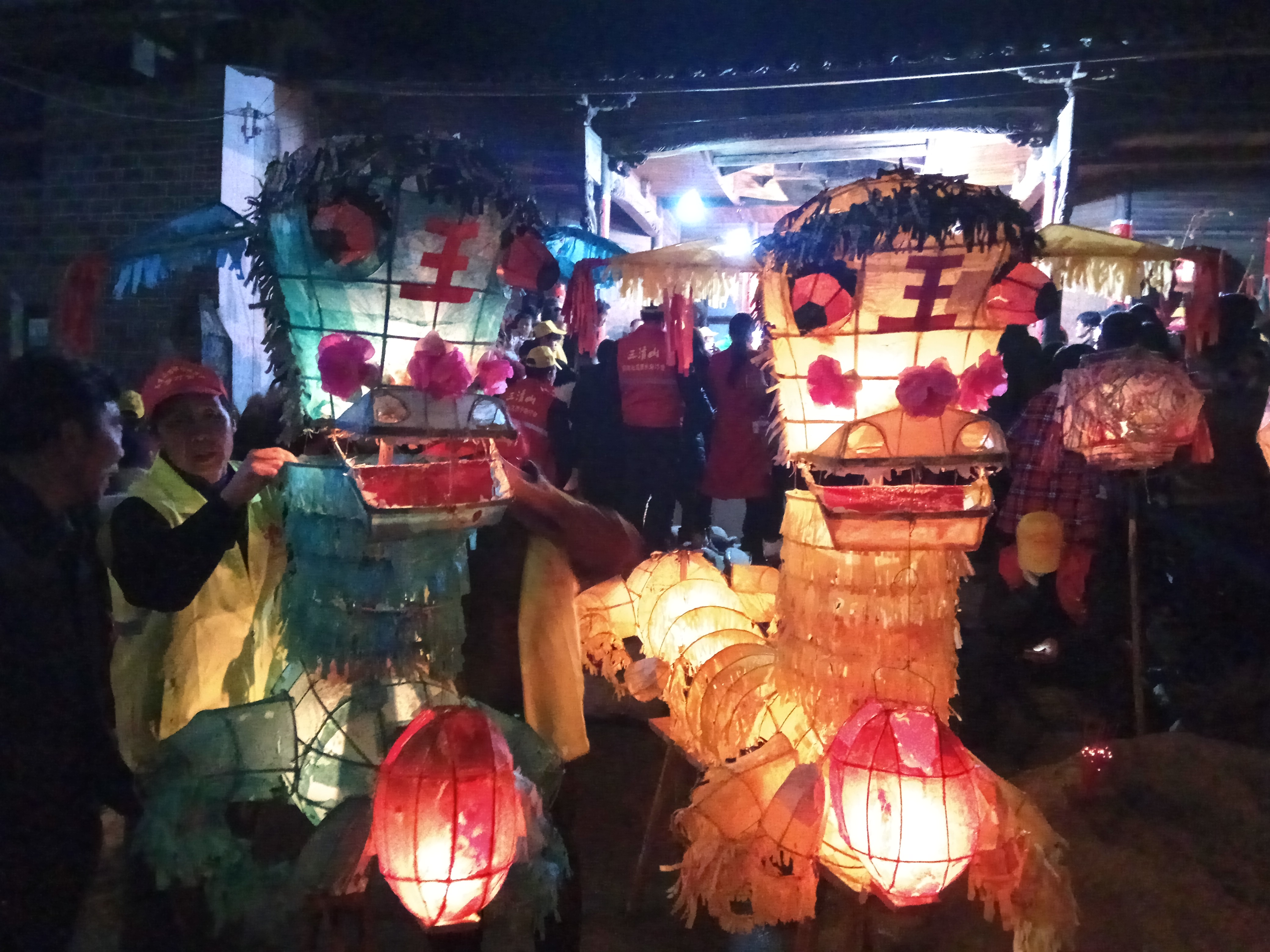
Folk activities in Zihu Town are distinctive: Zihu Flower Lanterns, shaped into auspicious birds and beasts with colored paper, parade through streets and lanes accompanied by drums and gongs. The Lin’s Martial Lantern, composed of wooden boards from the Lin clan halls in Zihu, with colorful lanterns on top and holding poles below, integrates clan worship and dragon‑dance blessings. Both are important folk events during the Spring Festival and Lantern Festival. The Zihu Minnan dialect and related customs, originating from Quanzhou immigrants in the Qing Dynasty, preserve ancient phonetic features. Marriage, festival, and other traditions inherit Minnan customs, blending with local Taoist culture to create a unique regional cultural landscape.
Today, as a precious carrier of Taoist philosophy and local cultural context, Sanqingshan’s cultural heritage enjoys systematic protection and inheritance. Tangible heritage preserves its historical features and vitality through digital monitoring and traditional craftsmanship restoration, while intangible cultural heritage is revitalized through performances, education, and creative utilization. Beyond its natural heritage, it has become an even more profound and touching spiritual foundation and cultural calling card of Sanqingshan.
 |
 |
 |
