
On the morning of April 17th local time in Paris, France, the 204th meeting of the UNESCO Executive Board passed a resolution officially approving China's application for the Sichuan Guangwu Mountain Nuoshui River and Hubei Huanggang Dabie Mountain Geoparks to become UNESCO Global Geoparks, becoming China's 36th and 37th Global Geoparks.
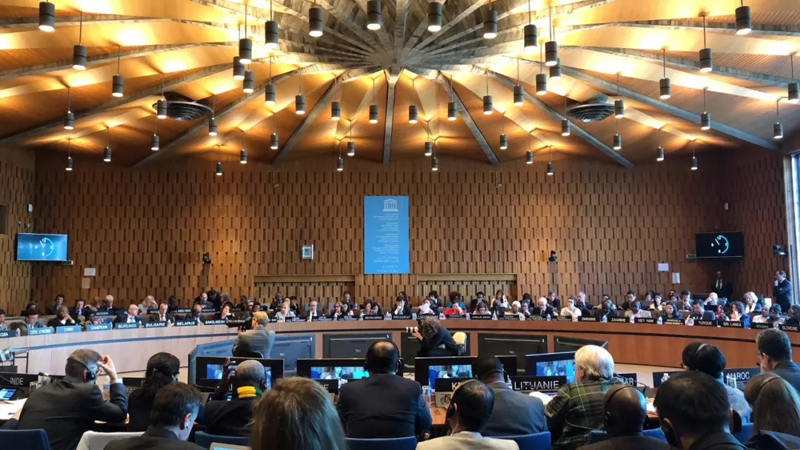
At the 204th Meeting of the UNESCO Executive Board
Guangwu Mountain Nuoshui River World Geopark is located in Bazhong City, Sichuan Province, with a total area of 1818 square kilometers. Geological relics resources are abundant, diverse, well preserved, and of great scale, with broad geological connotations. They have important scientific significance for analyzing the geological evolution history of the peripheral basins of the Tethys, the Qinling (central) orogenic belt, and the Sichuan Basin, as well as the evolution and development of the entire Yangtze Block. They are also key areas for studying the structural transformation relationship between the northern edge of the Yangtze Block and the Qinling and Longmen orogenic belts, as well as the differences in continental dynamics and karst between the north and south of China. The park has a long cultural history, starting from the Micang Ancient Road that flourished in the Qin and Han dynasties. It runs through the Qinba Mountain area and connects the Yellow River civilization in the central plains and the Bashu civilization in the southwest. The cultural and historical landscapes of Guancangping and Muyang Ancient City in the Qin and Han dynasties are well preserved, and many folk cultures such as grass pulling gongs and drums, Bashan shadow puppetry, Maoshan songs, and Bashan Bei Erge are inherited and developed here.
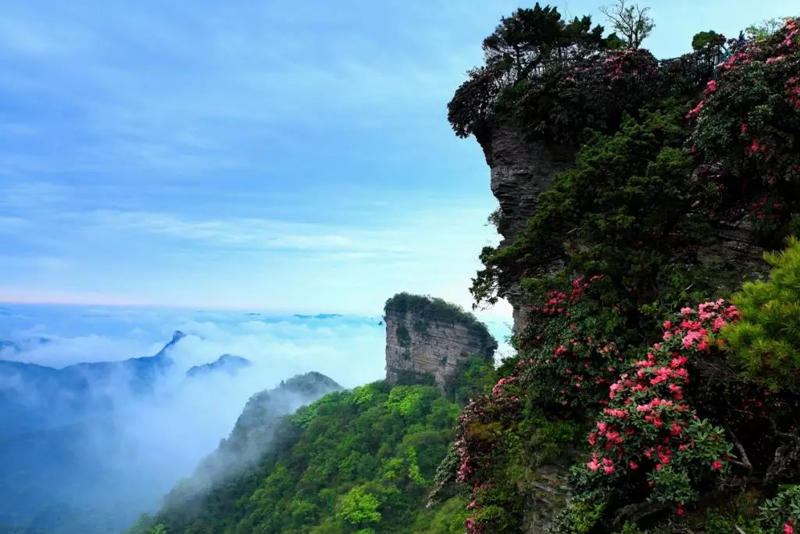
Xianglushan/Guangwu Mountain Nuoshui River Geopark
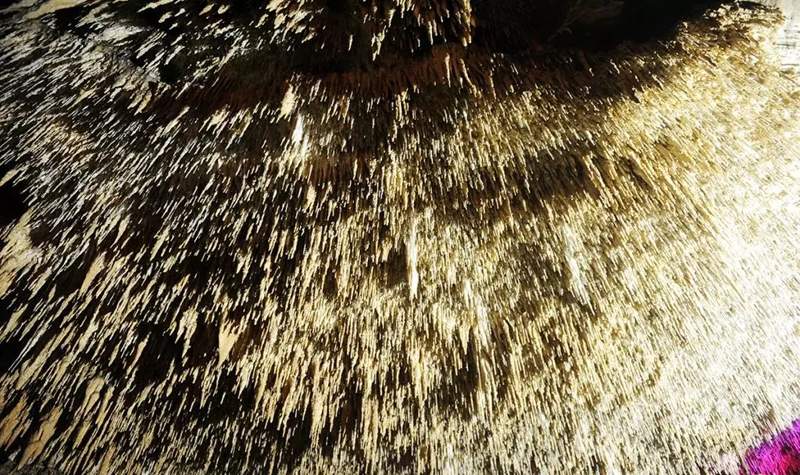
Billion Goose Pipe - World Cave Scenery/Photo by He Simeng in Guangwu Mountain Nuoshui River Geopark
The Huanggang Dabie Mountains World Geopark is located in Huanggang City, northeastern Hubei Province, at the southern foot of the Dabie Mountains, on the north bank of the middle reaches of the Yangtze River, with a total area of 2625.54 square kilometers. As an important component of the geological, geographical, ecological, and climatic boundary of the Central Mountain Range in China, the Huanggang Dabie Mountain Geopark preserves multiple periods of metamorphic deformation caused by Earth's evolution since the Archean period, as well as a rich variety of magmatic activity geological relics, which have global comparative significance; The park gathers "peaks, forests, ponds, and waterfalls" in one place, integrating religious culture, folk customs, historical and cultural elements. It is characterized by layers of lush mountains, misty seas, flowing clouds, vast forests, and the chirping of birds and flowers. It is a natural laboratory and research base for geological research and mountain building belts, with excellent ecological environment, rich historical and cultural heritage, and extremely high scientific popularization value.
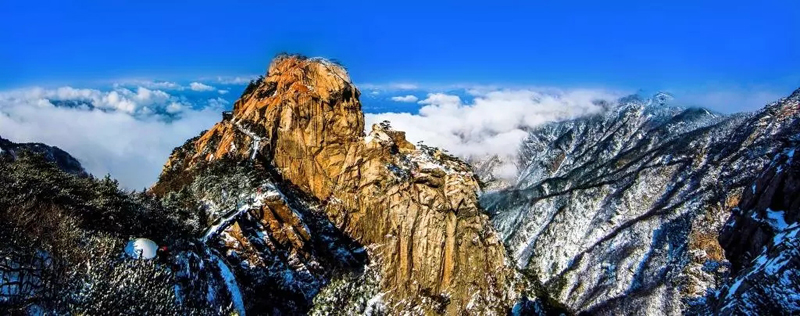
Zheren Peak/Dabie Mountain Geopark
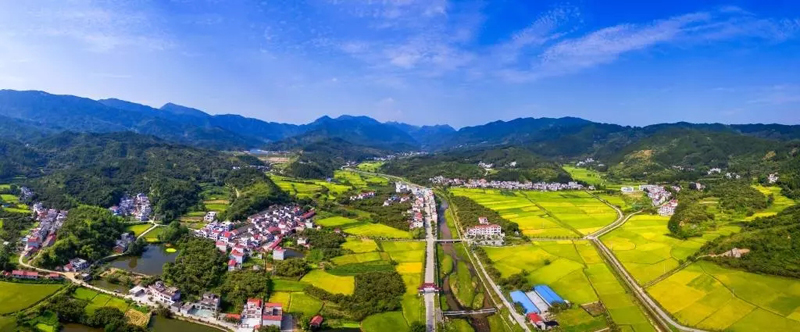
Canyon and Countryside - The Perfect Combination of Human and Nature/Dabie Mountains Geopark
It is reported that in 2016, a total of 14 countries worldwide officially submitted 15 applications to UNESCO for the World Geopark; On September 16-17, 2017, the UNESCO Global Geoparks Council reviewed 17 applications (including 2 projects postponed from the previous meeting) during the 5th Asia Pacific Global Geoparks Conference held at the Zhijin Cave Global Geopark in China. The council voted to approve 13 of the applications and postpone 4 of them. On April 17, 2018, the 204th meeting of the UNESCO Executive Board held in Paris, France, finally approved the resolution of the Council. At present, the total number of UNESCO Global Geoparks is 140, distributed in 38 countries and regions worldwide. As one of the initiators of the Global Geopark project, China already has 37 Global Geoparks.

