
With the development of education, the improvement of transportation, and increased communication with the outside world, the social communication function of Zihu Minnan dialect has gradually weakened, and certain grammar and vocabulary have changed under the influence of the surrounding environment; traditional customs and habits have also been gradually replaced by modern lifestyles.
In January 2026, the Sanqingshan World Geopark Student Volunteer Service Team conducted in-depth research on the current state of Zihu Minnan dialect inheritance during the themed activity “Exploring the Wonders of Sanqing, Passing on the Minnan Cultural Legacy.” Through an in-depth interview with Teacher Wang Xianhua, the volunteer service team learned that the phenomenon of young people who can “understand but cannot speak” is very common. Compared with when Teacher Wang was a child, Minnan dialect was the main language of daily communication; today, fewer and fewer young people can speak fluent Minnan, with only a few families consciously teaching their children to speak Minnan or sing Minnan songs. Teacher Wang lamented, “Most children can only understand, are not good at speaking, or can only say a few simple sentences.”
Behind this language loss lies the risk of a break in cultural inheritance. When a language is no longer used in daily life, the songs, proverbs, and folklore attached to the language will also disappear.
To preserve and continue this unique social and cultural heritage, the Yushan County government listed “Zihu Minnan Dialect and Customs” as a county-level intangible cultural heritage in May 2009 and, in conjunction with the tourism of Sanqingshan, developed a farm stay tourism brand featuring Minnan folk customs.
Language inheritance in the museum: As a docent at the Sanqingshan Geological Museum, Teacher Wang Xianhua consciously uses Minnan dialect to introduce exhibits related to local customs during her explanations. When introducing the custom of the “Lantern Festival” in the first lunar month, she explains using the Minnan term “Hueideng” and elaborates on its auspicious meaning. This way of explanation allows visitors to more intuitively feel the cultural charm of traditional customs and also enhances local youths’ cultural identity. She encourages young people to listen more, learn more, and speak more, emphasizing that Minnan dialect “is not an outdated language but our cultural root, containing the spirit of the Minnan people and the shared memory of compatriots on both sides of the strait.”
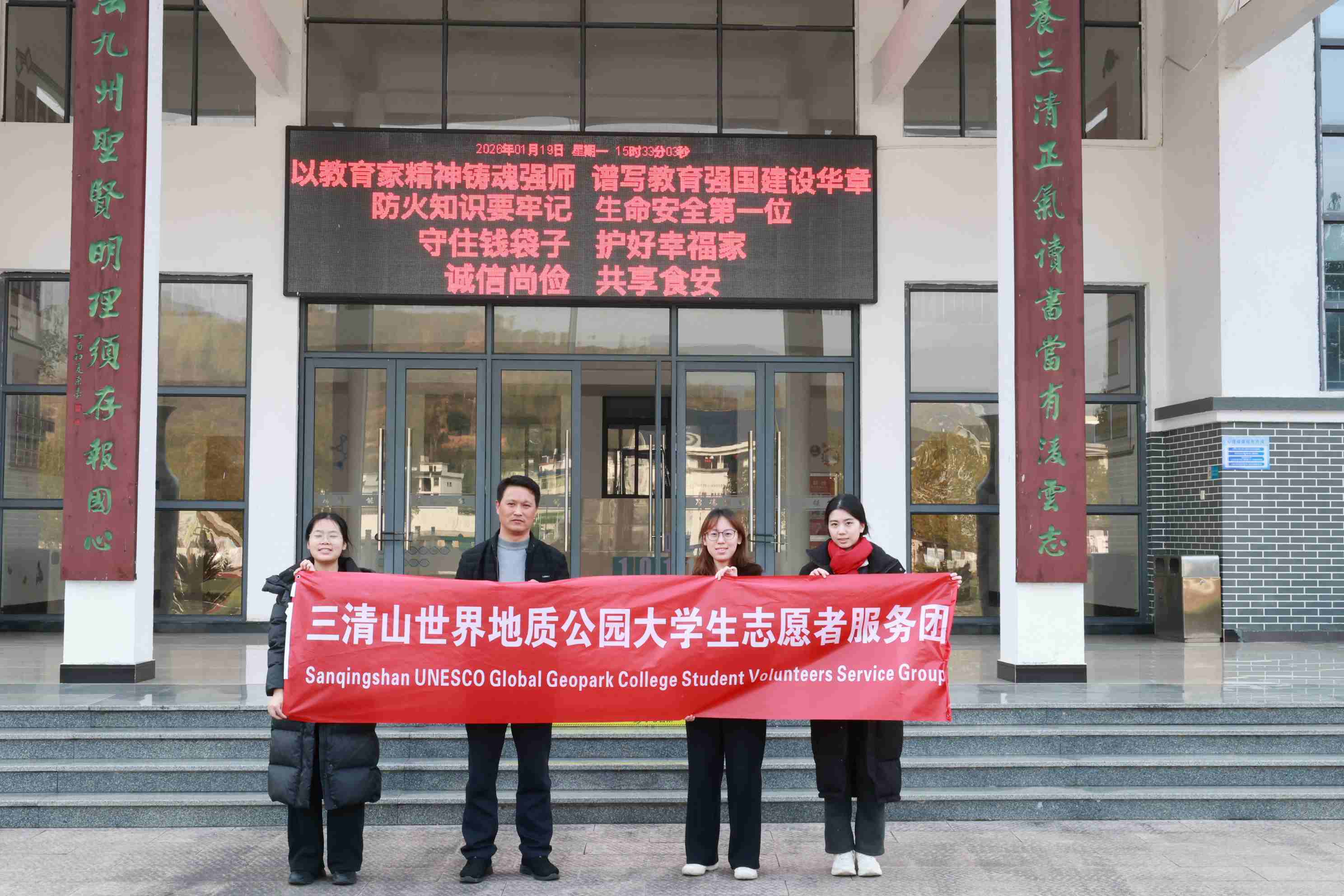
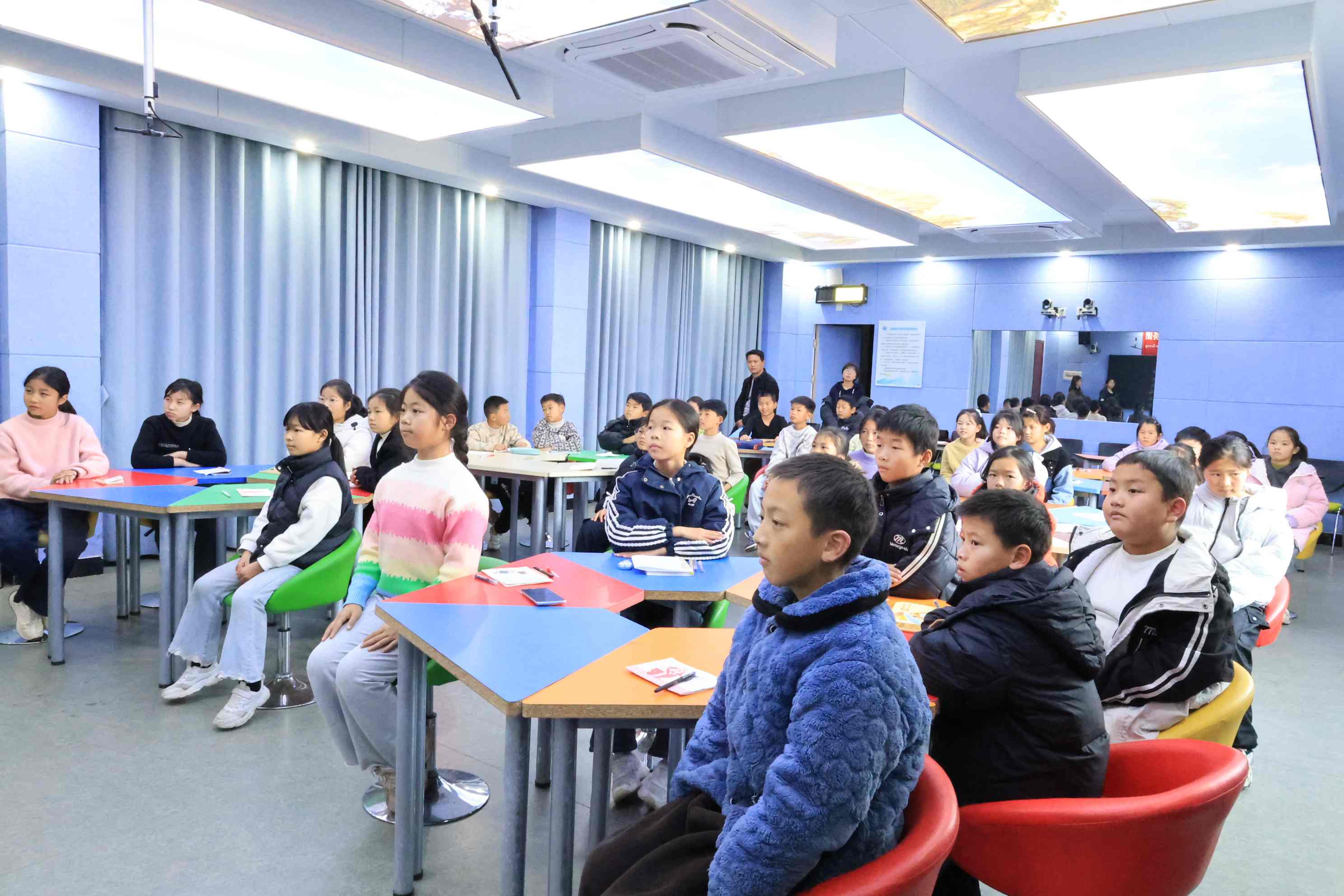
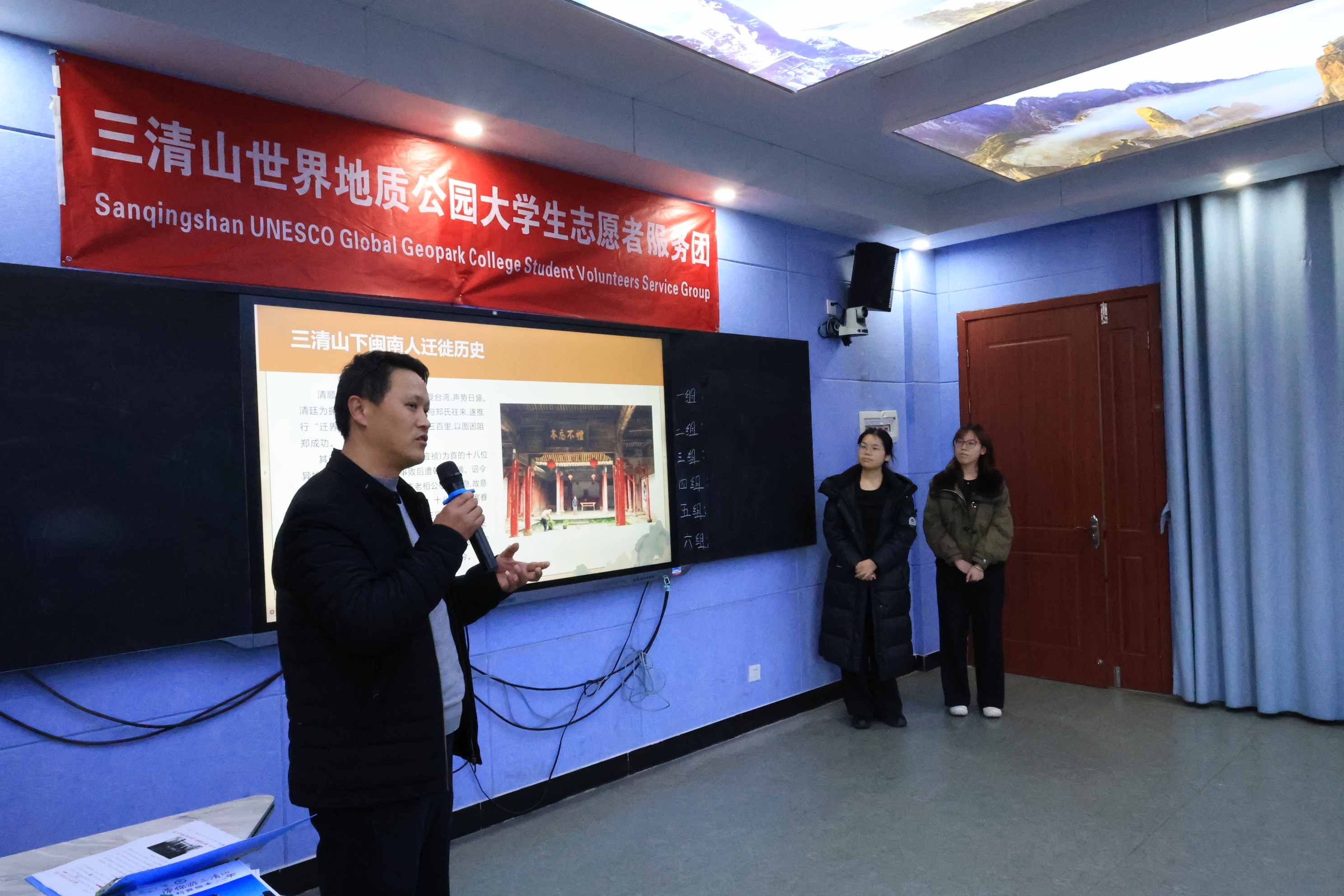
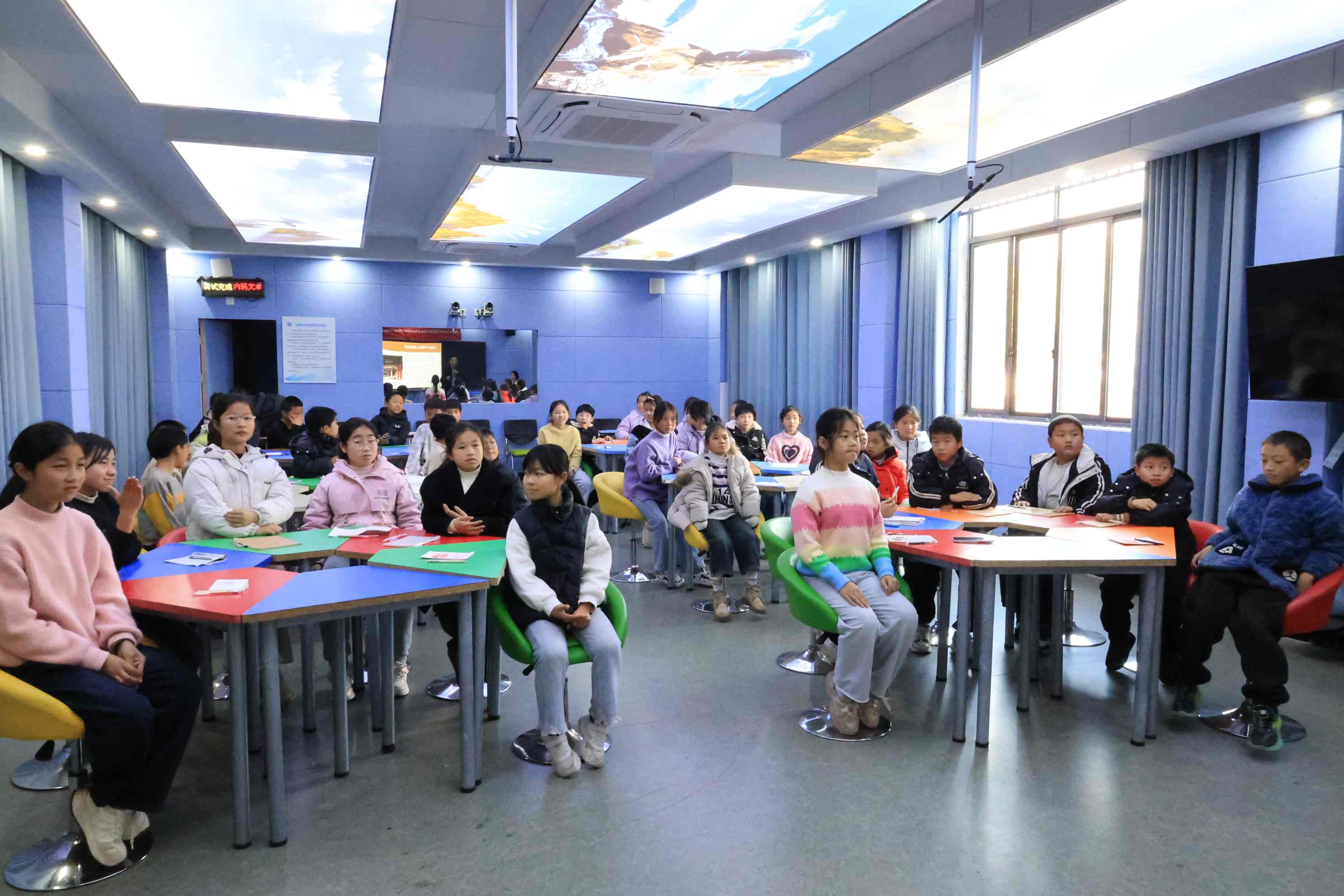
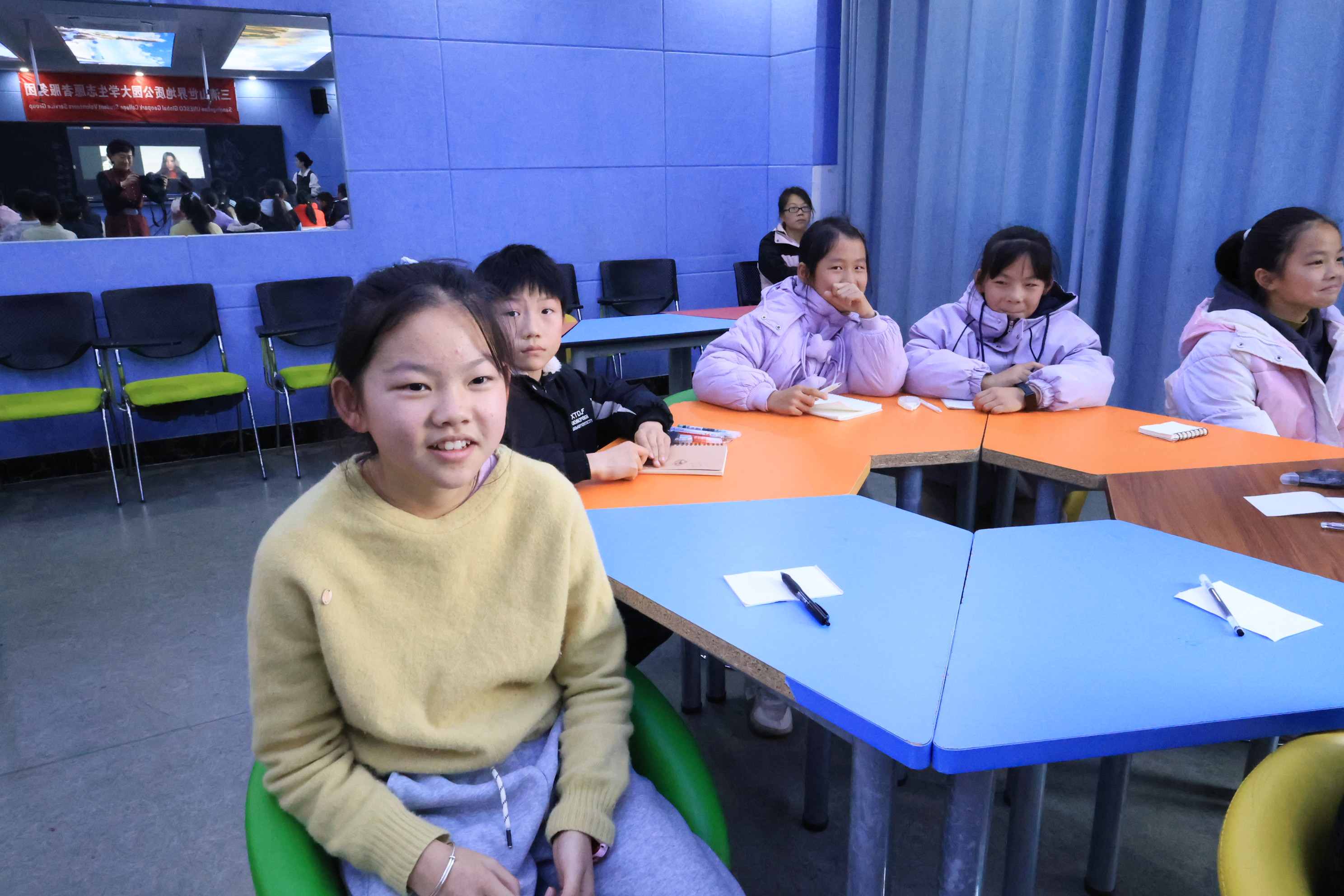
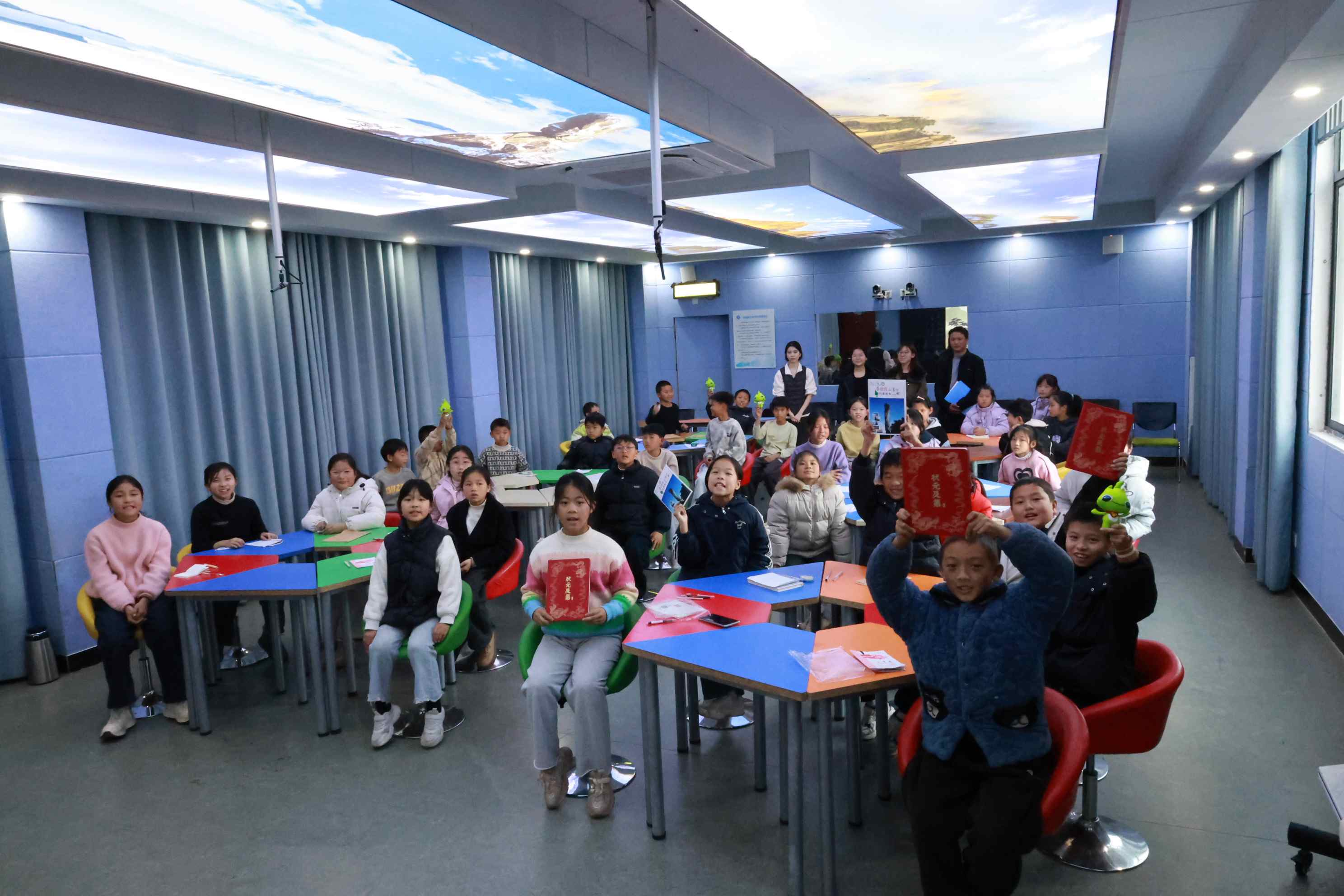
Dialect Class on Campus: In January 2026, the Sanqingshan World Geopark University Student Volunteer Service Team, in collaboration with the local community, conducted a lecture titled 'Common Minnan Phrases and Sanqingshan Culture' for students in grades five to nine. The class was taught by a special guest teacher and covered basic Minnan greetings, numbers, daily expressions, as well as the legends and geological features of Sanqingshan. Through a cultural-geology version of the game 'Draw and Guess,' children used Minnan to say words such as 'dad and mom,' 'boy and girl,' 'rice,' and 'goodbye,' and even tried acting out life scenarios like 'asking for directions' and 'shopping.' Amid laughter, the local dialect quietly touched their hearts.
 |
 |
 |
 |
The Intervention of Youth Power: The research and promotion conducted by the Mount Sanqing World Geopark University Student Volunteer Service Group has injected new vitality into the protection of Zihu Minnan dialect. From Teacher Wang’s teachings and personal example to the enthusiastic participation of the children, Minnan is no longer just the "local dialect" spoken by the older generation but has become a bridge connecting the past and the future, the local land and the heart.
In today's era when dialects are gradually declining, the protection of Zihu Minnan dialect requires not only recording and research but also the integration into classrooms, daily life, and the everyday experience of the younger generation. As Teacher Wang Xianhua taught the volunteer service group at the end of the interview with a Minnan blessing: "Wish yourself good health, smooth work, and happiness every day!" — spoken in Minnan, each word is full of feeling, and every sentence touches the heart.
Only by bringing the language to life can culture truly be passed down. The unique cultural heritage of Zihu’s Minnan dialect and customs is being revitalized at the foot of Mount Sanqing through multidimensional approaches such as government protection, educational inheritance, tourism development, and youth participation. It is not only a treasure of Yushan’s local culture but also a shared cultural memory of compatriots on both sides of the Taiwan Strait, and a vivid testament to the diverse and unified pattern of the Chinese nation.

