
The Zihu Lantern, also known as "Peace Lantern", is a traditional folk craft symbolizing the celebration of harvest, the welcoming of the Spring Festival, the warding off of evil spirits, and prayers for favorable weather, peace, and good fortune. Originating from the ancient Lantern Festival traditions of Southern Fujian Province, this custom is now preserved in the villages of Zihu.
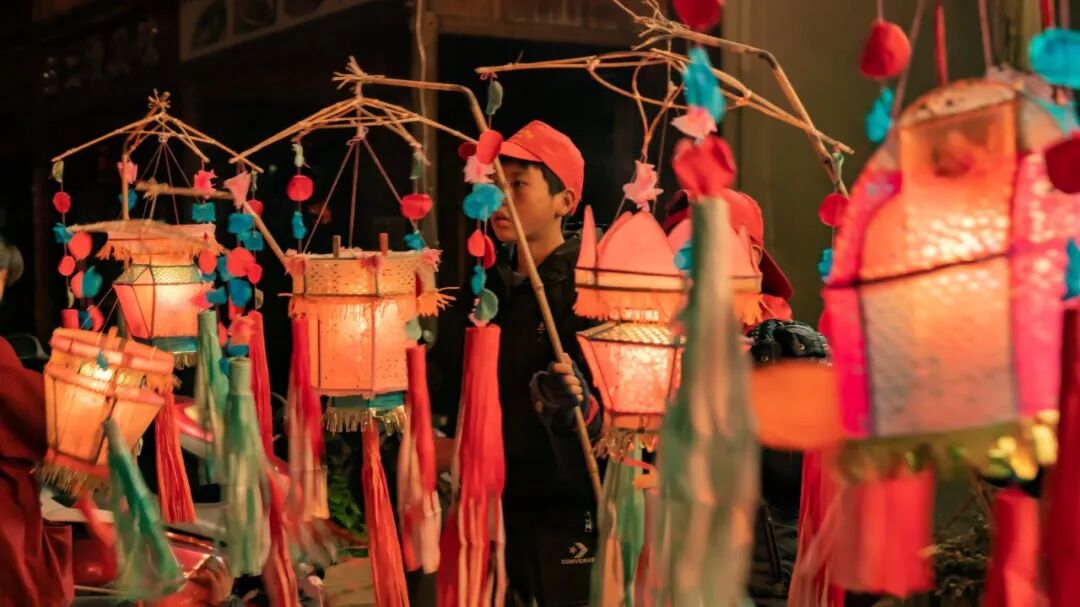
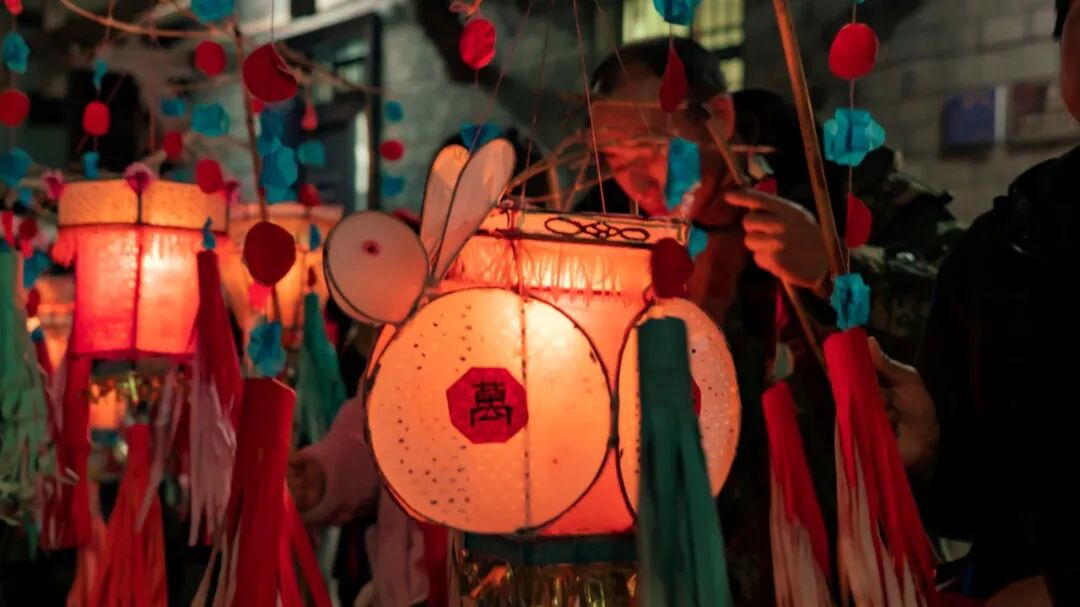
Every year in the 12th lunar month, respected villagers take the lead in organizing the Lantern Festival and prepare lanterns for each household. The lanterns come in a wide variety of forms, including lion lanterns, dragon lanterns, zodiac lanterns, basket lanterns, palace lanterns, octagonal lanterns, hexagonal lanterns, five-pointed stars, and many others.
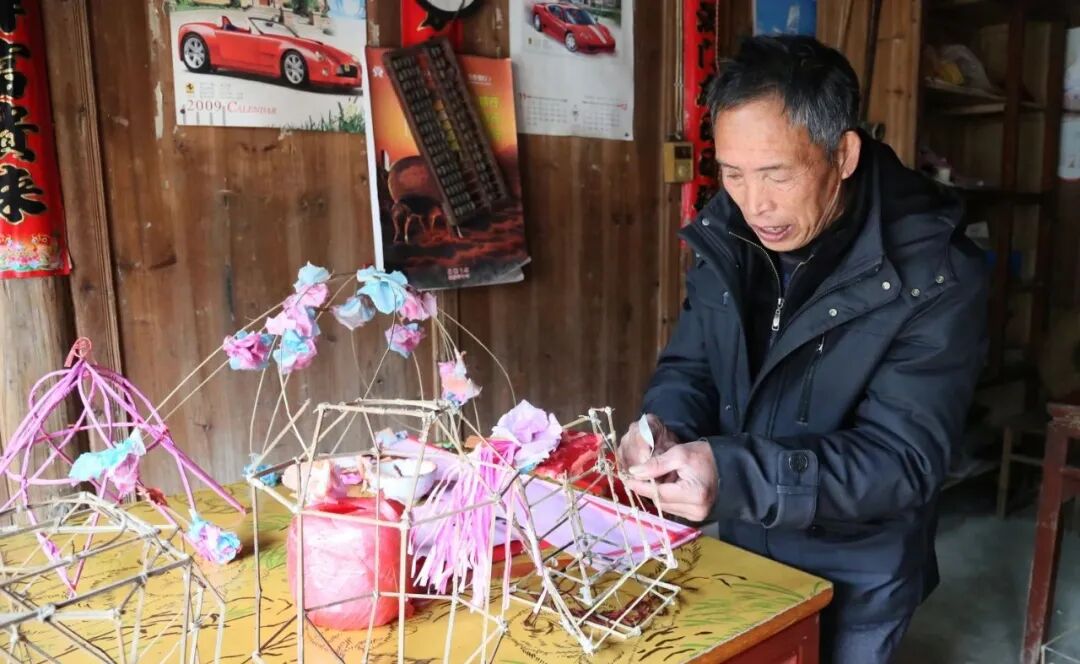
The lantern-making process begins with shaping a framework from strips of bamboo, which is then covered with white translucent cotton paper. On the outside, exquisite paper-cut designs are pasted, often incorporating auspicious phrases such as "Peace in the Four Seasons," along with delicate patterns. A candle is lit inside the lantern. The top is adorned with a four- or six-cornered crown featuring the Eight Trigrams, and small tassels made of colored paper hang from each corner. The lantern is then mounted on a bamboo pole about two meters tall, usually with two or three branches at the top. This process results in a delicate and beautifully crafted lantern.
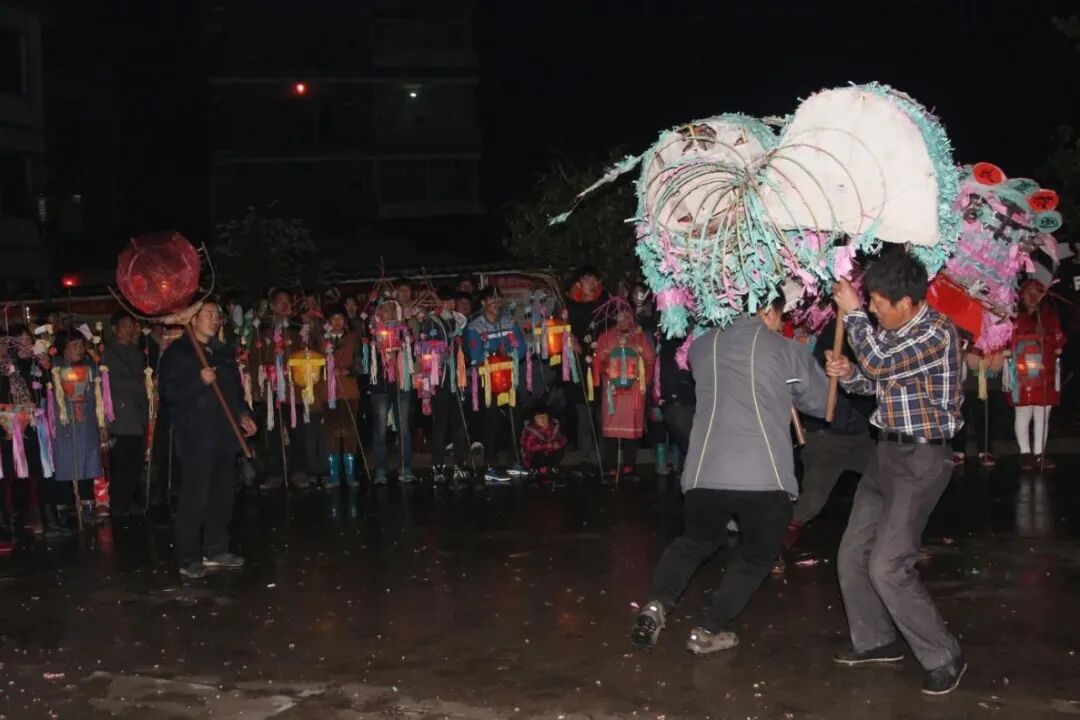
On the second night of the first lunar month, households gather at a designated meeting point with their lanterns, gongs, and drums, lining up in procession. At the front, two people lead the way, one carrying a plain lantern and the other holding a three-ring gun, guiding the group and announcing their arrival to households awaiting the lantern procession. Behind them come the head lantern, followed by gongs, drums, and suona horns. Next are the various lanterns interspersed with more gongs, drums, and suonas, all arranged in varying numbers. The procession concludes with the tail lantern and finally the flower drum troupe.
Once assembled, the procession first visits the Shegong Temple to pay respects to the deities. Then it parades through the village, performing in public squares or at private homes. When the pilot lantern bearers arrive at a house, they fire the three-ring gun as a signal. The host prepares by lighting a pair of red candles on the Eight Immortals table in the main hall and offering tea, fruit, snacks, and firecrackers. As the head lantern reaches the door, the host sets off firecrackers and fireworks to welcome it into the hall. After the lanterns circle the hall once, the head and tail lanterns are placed on either side at the front of the hall, while the other lanterns are arranged along the sides and in the yard. The host offers tea and refreshments to the participants. Meanwhile, the lion lantern, dragon lantern, gong and drum ensemble, and flower drum performers entertain the household in the yard. After about ten minutes, the procession moves on to the next house, bidding farewell amidst the sound of firecrackers.
图源 | 娄永平
图源 | 娄永平

