
In May 2026, our geopark established a sister Geopark relationship with Mt. Siguniang UGGp. The partnership aims to strengthen cooperation and advance coordinated development between both sides in scientific research, geoheritage conservation, cultural tourism and related fields.
Mt. Siguniang UGGp lies on the eastern margin of the Qinghai-Xizang Plateau, the First Topographic Step of China. It sits within the transitional zone from the Sichuan Basin (Second Topographic Step) to the Qinghai-Xizang Plateau. Tectonically, it belongs to the Songpan-Ganzi Fold Belt of the China Massif Geosyncline Region. Geomorphologically, it falls within the high mountain plateau subregion of western Sichuan, the alpine gorge zone in the middle reaches of the Dadu River.
 |
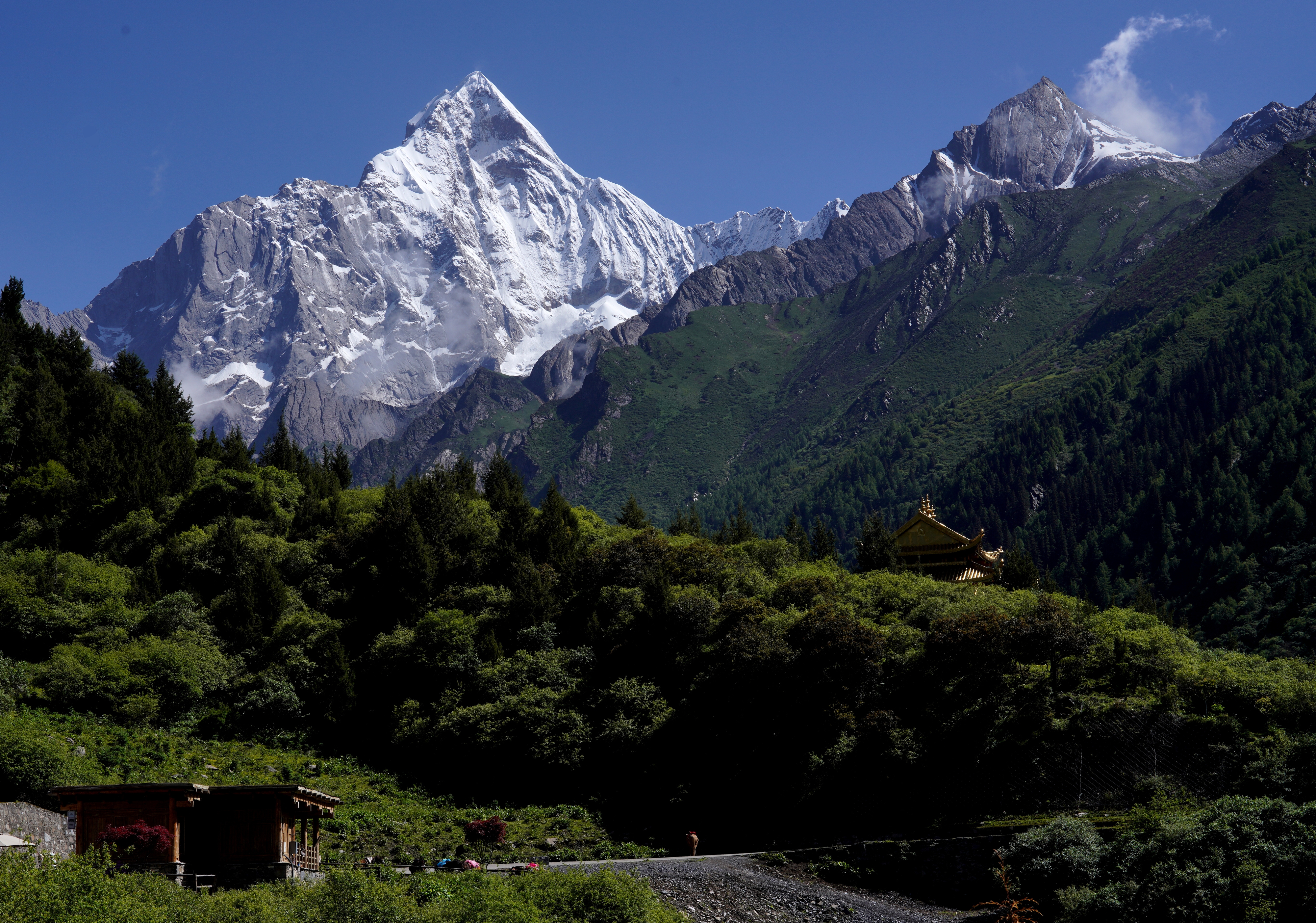 |
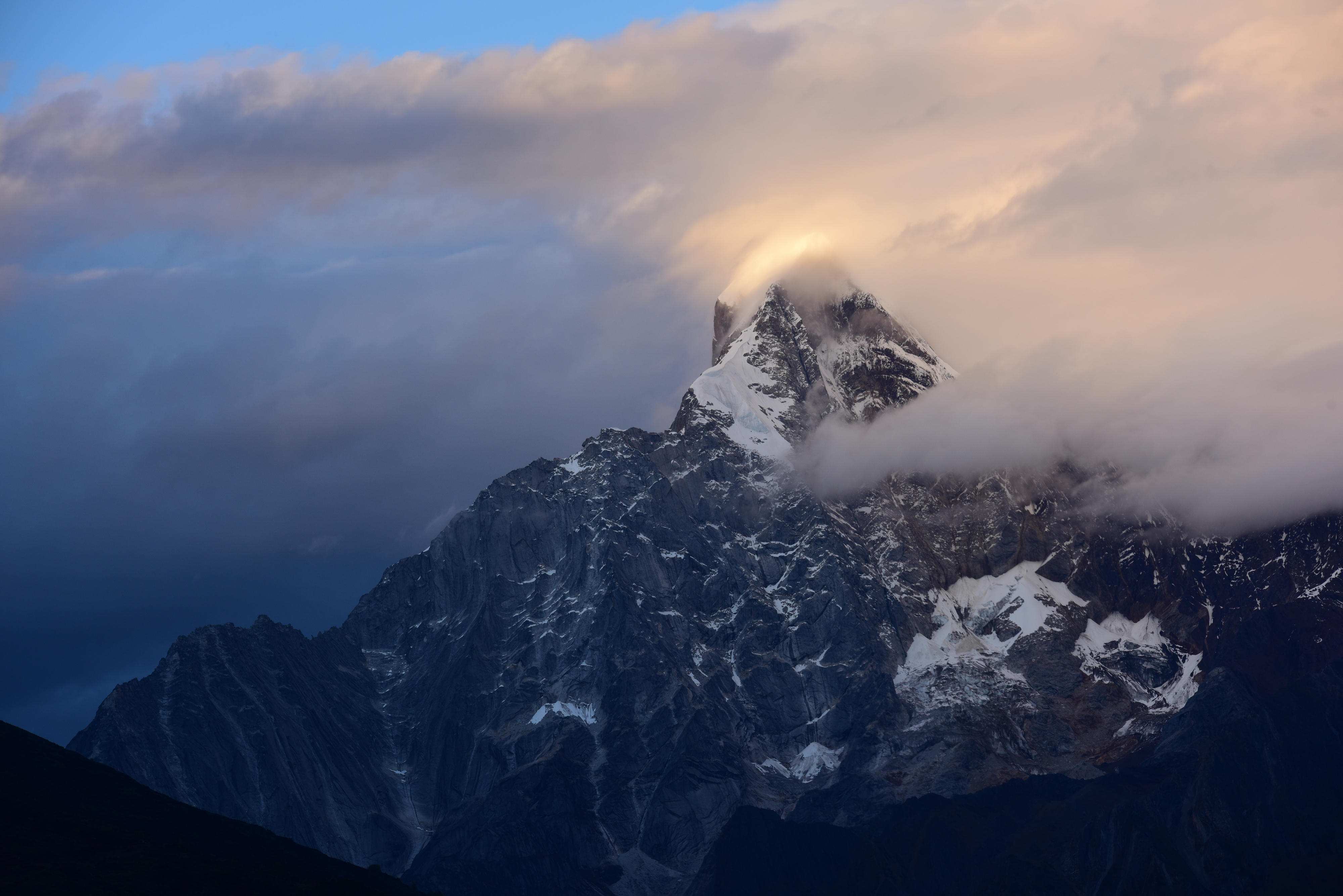
The main attractions are known as Three Valleys and Four Peaks.
Three Valleys: Shuangqiao Valley, Changping Valley and Haizi Valley.
Four Peaks: Yaomei Peak, Third Siguniang Peak, Second Siguniang Peak and First Siguniang Peak.
Yaomei Peak, the main summit of Mt. Siguniang, rises to 6,250 meters above sea level. It is the highest peak of the Qionglaishan and the second-highest mountain in Sichuan, second only to Gonggashan, hailed as “King of Sichuan Mountains”. It is reputed as “Queen of Sichuan Mountains” and “Oriental Sacred Mountain”. Within the scenic area stand 85 snow-capped peaks over 5,000 meters, covered by permanent snow and featuring modern mountain glaciers.
Famous for its towering, precipitous ridges reaching toward the sky, Mt. Siguniang is capped with gleaming ice and snow. At its foot lie dense forests, lush meadows and clear murmuring streams. The landscape resembles the scenic Alps of Southern Europe, earning it the nickname “Alps of the East”.
Major geomorphic types here include arid river valley (semi-arid river valley) landforms, high mountain landforms and alpine landforms. The bedrock is mainly composed of Mesozoic and Paleozoic sandstone, slate, marble, limestone and crystalline limestone.
In 1982, Mt. Siguniang was named one of China’s Top Ten Mountaineering Destinations.
In 1994, it was designated a National Key Scenic Area.
In 1996, it was inscribed on the National Nature Reserve List.
In 2001, it became one of China’s first batch of National 4A Tourist Attractions.
In 2005, it was approved as a National Geopark.
In 2006, it was included in the Sichuan Giant Panda Sanctuaries World Heritage Site.
In 2014, it was awarded the title of National Environmental Science Popularization Base.
In February 2024, it was officially recognized as a National 5A Tourist Attraction.
To date, mountaineering teams from more than ten countries and regions including the United States, Japan, Italy and the United Kingdom have reached its summits.

