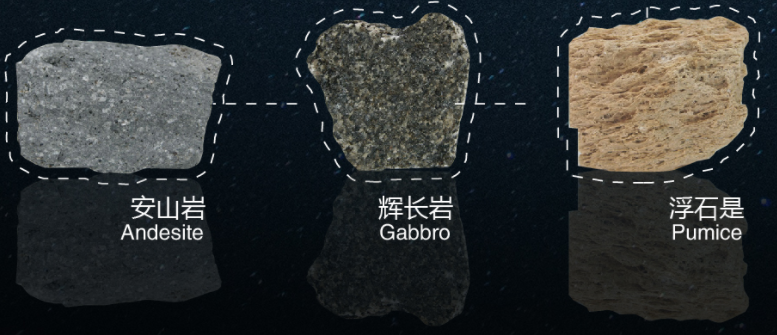
The crust and upper mantle above the asthenosphere are composed of minerals and rocks, and are called the Lithosphere. With an average thickness of about 100km, the thickness of lithosphere is uneven. The lithosphere is closely related to modern geophysics and geodynamics, and it is the most studied and detailed solid earth part in modern geosciences.
Lithospheric plate tectonics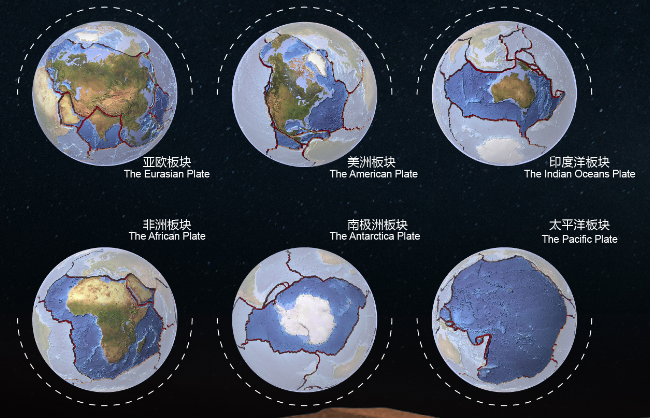
I. The theory of plate tectonics
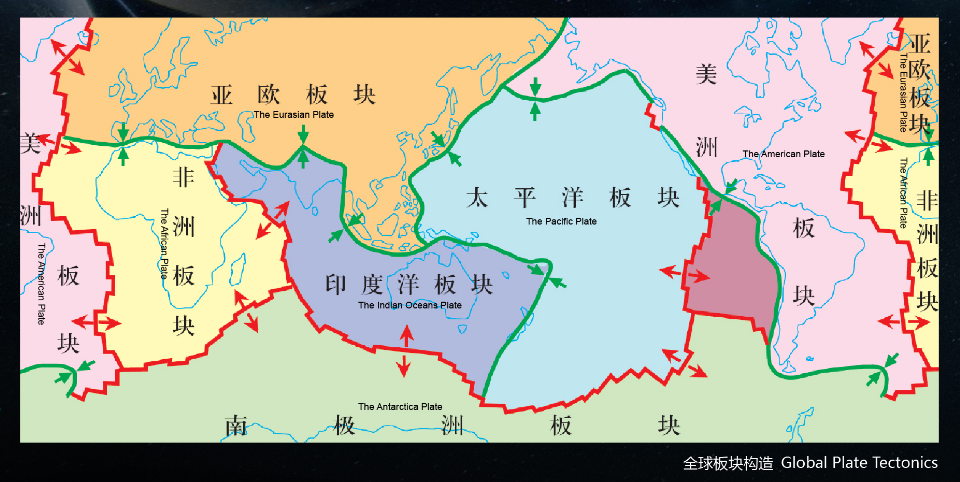
The theory of plate tectonics is created based on the theory of continental drift and sea floor expansion. The theory suggests that the lithosphere is not a rigid whole, but is divided by a variety of faults and tectonic movement belts. It is composed of many blocks "floating" above the asthenosphere, and these blocks are called plates. The lithosphere is made up of six large plates, each of which is divided into many plates of different sizes.
II. Transformation of the three types of rocks
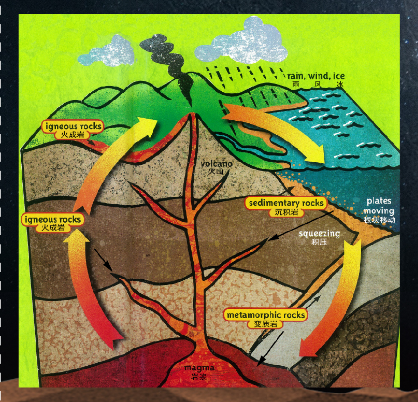
The three types of rocks have different forming environments and conditions, and the environment and conditions change with the occurrence of geological processes. In geological history, some rocks have always formed and others have died out. The three groups of rocks are constantly changing with each other. Our Earth is like a giant rock factory.
Three types of rocks
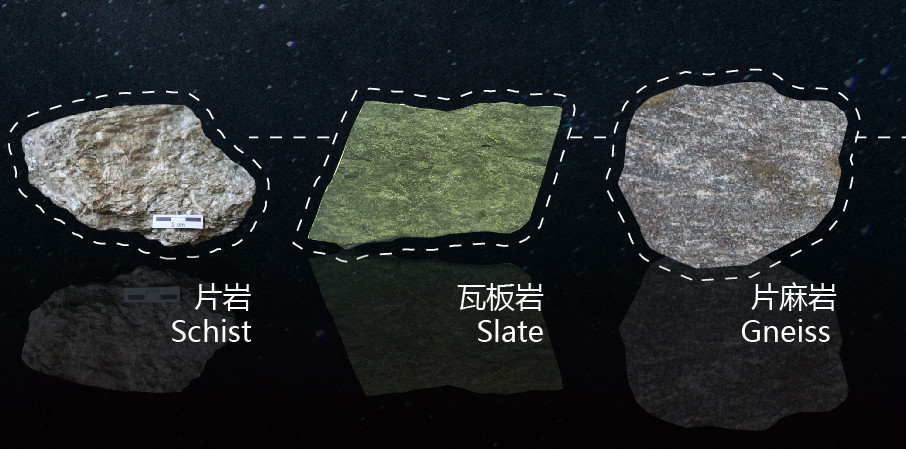
(1) Metamorphic rocks
Because of intense heat and pressure deep within the earth, these rocks have undergone a total transformation from their original form. Unlike igneous rocks, metamorphic rocks never truly melt. Instead all of the change happens in the solid state. In some cases, the pressure comes from the original rocks getting buried. More often than not, the pressure comes from powerful forces caused by movements within the earth crust. Under these conditions, solid rock can actually flow, just like toothpaste. This results in rocks that have been twisted and bent, often with a new set of minerals in place of the old ones.
(2) Sedimentary rocks
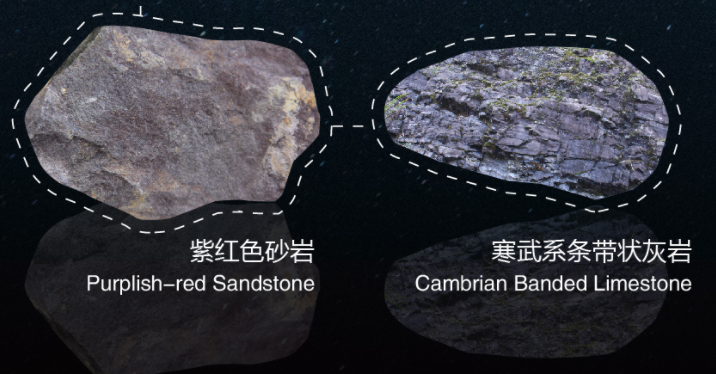
After the granite mass experienced the tectonic movement and outcropped, it has to experience the weathering. If crustal movement has created the outline of the granite landform, the change of temperature, wind erosion, rainfall and biological weathering such as root growth and liken erosion sculpt and modify it further, and finally create the granite landscapes as we appreciate today.
(3) Igneous rocks
Igneous rocks are those that started as a hot, molten liquid called magma. The term "igneous" comes from a Greek word that means "from fire". Pools of magma form deep underground and slowly work their way to the Earth's surface. If they make it all the way, the liquid rock erupts and is called lava. As the layers of lava build up they form a mountain called a volcano. Volcanic rocks cool rather quickly so large minerals crystals do not have a chance to form.