
On the morning of June 13, the themed activities for the 2026 Cultural and Natural Heritage Day, themed “Cultural heritages belong to the people and serve the people”, were simultaneously inaugurated at the Oriental Goddess Peak Area, Tiyun Ridge Area and Sanqing Fudi Area of Sanqingshan UNESCO Global Geopark. The events welcomed tourists from all over the scenic mountain, with more than 5,000 participants in total.
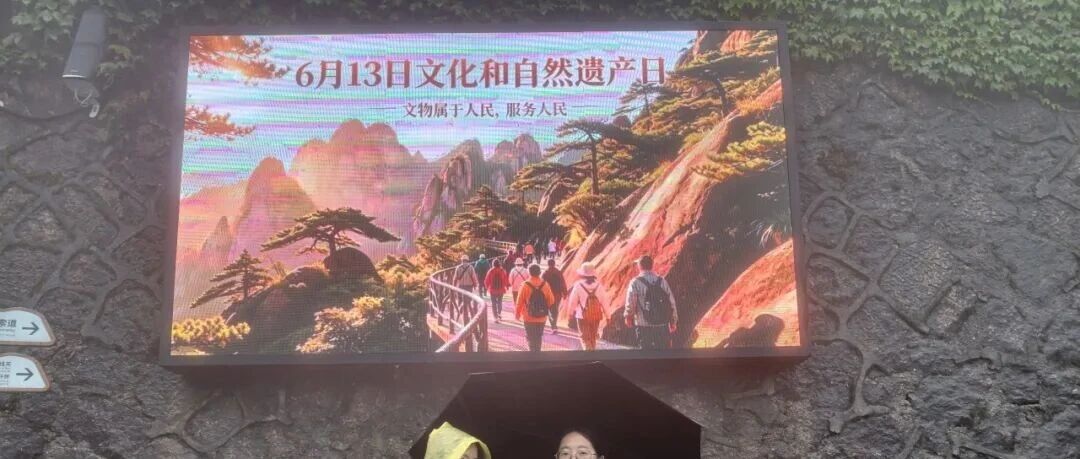
Sanqingshan is China’s seventh and Jiangxi Province’s first World Natural Heritage site. It is renowned for its four unique wonders: fantastic peaks and grotesque rocks, ancient trees and rare flowers, flowing springs and cascading waterfalls, as well as sea of clouds and mist surges. Meanwhile, it ranks among the important birthplaces of Taoist culture. During the Eastern Jin Dynasty, Ge Hong built a hut here for alchemy and literary creation, leaving behind abundant Taoist cultural relics and an inheritance of health-preserving culture. Ancient building complexes, stone stele inscriptions, sculptures and other cultural relics within the geopark are non-renewable historical and cultural heritage, which are strictly protected by national laws.
The event venue featured display stands themed on the introductory chapter of the Cultural Relics Protection Law of the People’s Republic of China, with over 600 promotional leaflets distributed to visitors. Centering on core topics including “the definition of cultural relics”, “categories and ownership of cultural relics”, “management requirements for immovable cultural heritages”, “management standards for museum-collected cultural heritages”, and “responsible entities for cultural heritages protection”, staff popularized laws and regulations on cultural relics protection to tourists. The outreach guided the public to grasp relevant protection rules and clarified the legal liabilities for acts such as damaging cultural heritages, illegally trading cultural heritages and smuggling cultural heritages.
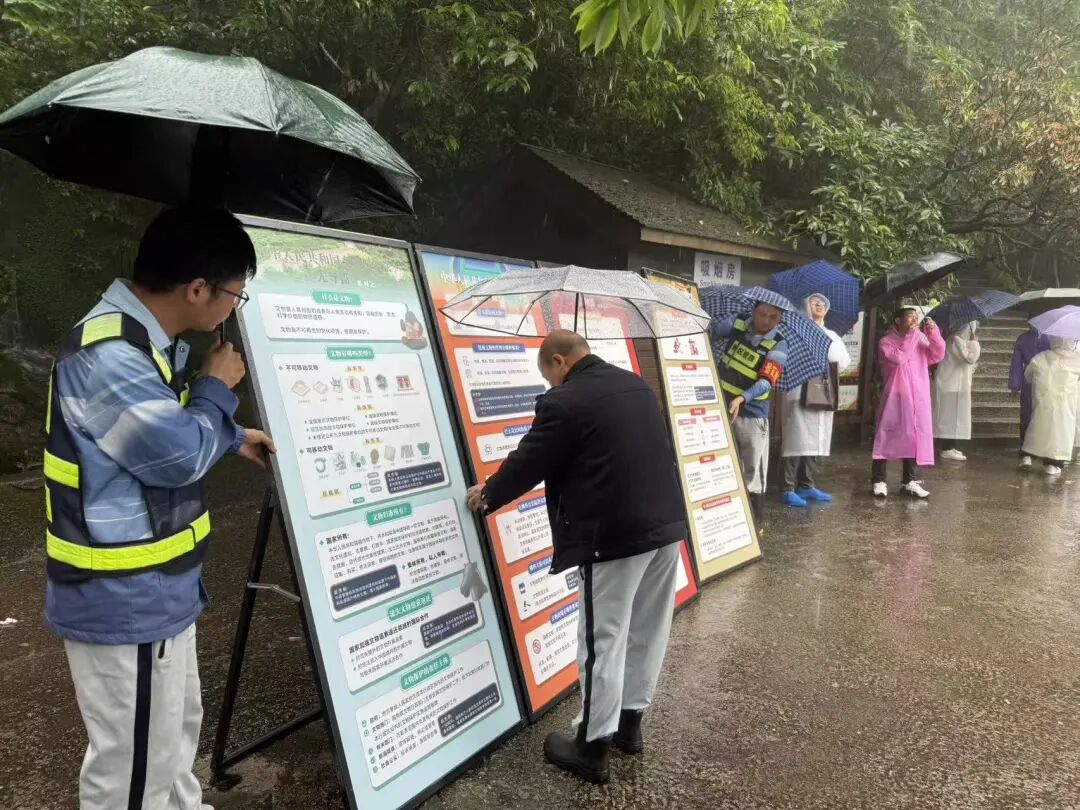
A variety of supporting events were also held, including an exhibition showcasing achievements in World Heritage conservation, geological science research and study tours, Taoist cultural experience sessions, and a cultural and creative products market. Many tourists paused to view the exhibition stands and took the initiative to consult knowledge about cultural heritages protection. Families with children also learned basic knowledge of heritage protection through the displays, achieving dual outcomes of “science education + immersive experience”.
Taking World Heritage conservation as its core priority, Sanqingshan will further explore the value of its natural and cultural resources, so that the fruits of World Heritage protection can benefit more people.

