
Sanqingshan UGGp boasts extremely rich meteorological landscape resources, represented by five major wonders, including sunrise, sea of clouds, Buddha light, rime, and snow rime. The formation of these meteorological wonders results from the long-term coupling of its unique geological structure and mountain climate system.
Yujing Peak, the main peak of Sanqingshan UGGp, stands at an altitude of 1,819.9 meters, with a relative elevation difference of more than 1,000 meters across the mountain. Its topographic conditions — high altitude, great elevation difference, and steep slopes — lay an important foundation for air uplift, radiative cooling, and the formation of various meteorological landscapes. Meanwhile, Sanqingshan UGGp lies in the humid subtropical monsoon climate zone of central subtropics, with typical mountain climate characteristics: annual average precipitation of 1,857.7 mm, relative humidity of 82%, annual average temperature of 10.9°C, and the temperature at the mountain summit is approximately 8°C lower than that at the foot.
The Geopark is shrouded in mist and clouds all year round. The ever-changing sea of clouds, sunrise and other meteorological landscapes complement the grotesque peaks and exotic pines, endowing Sanqingshan UGGp with boundless celestial charm and allure.
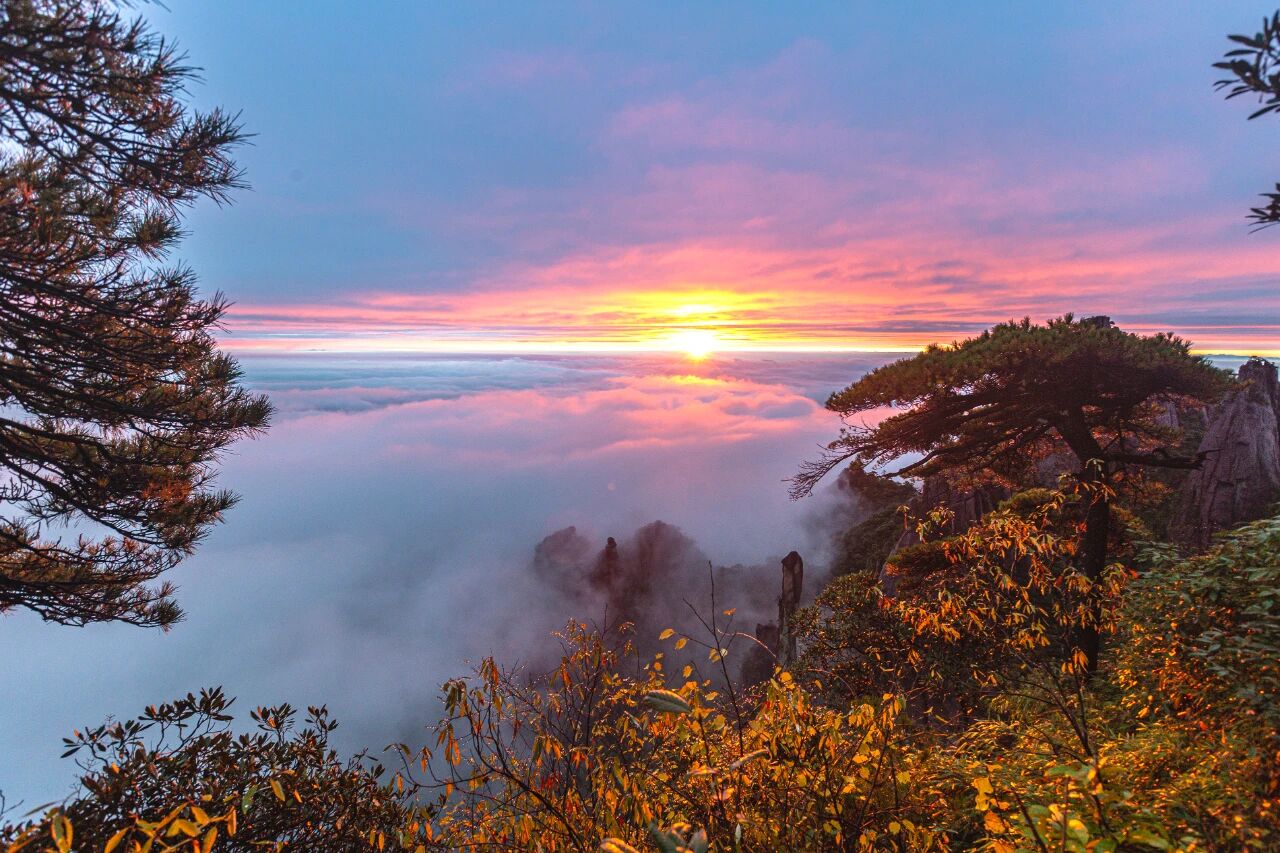
•Sunrise: Relying on the high-altitude open view, under the effect of atmospheric scattering, the morning glow reflects the peak forests, creating a spectacular sight.
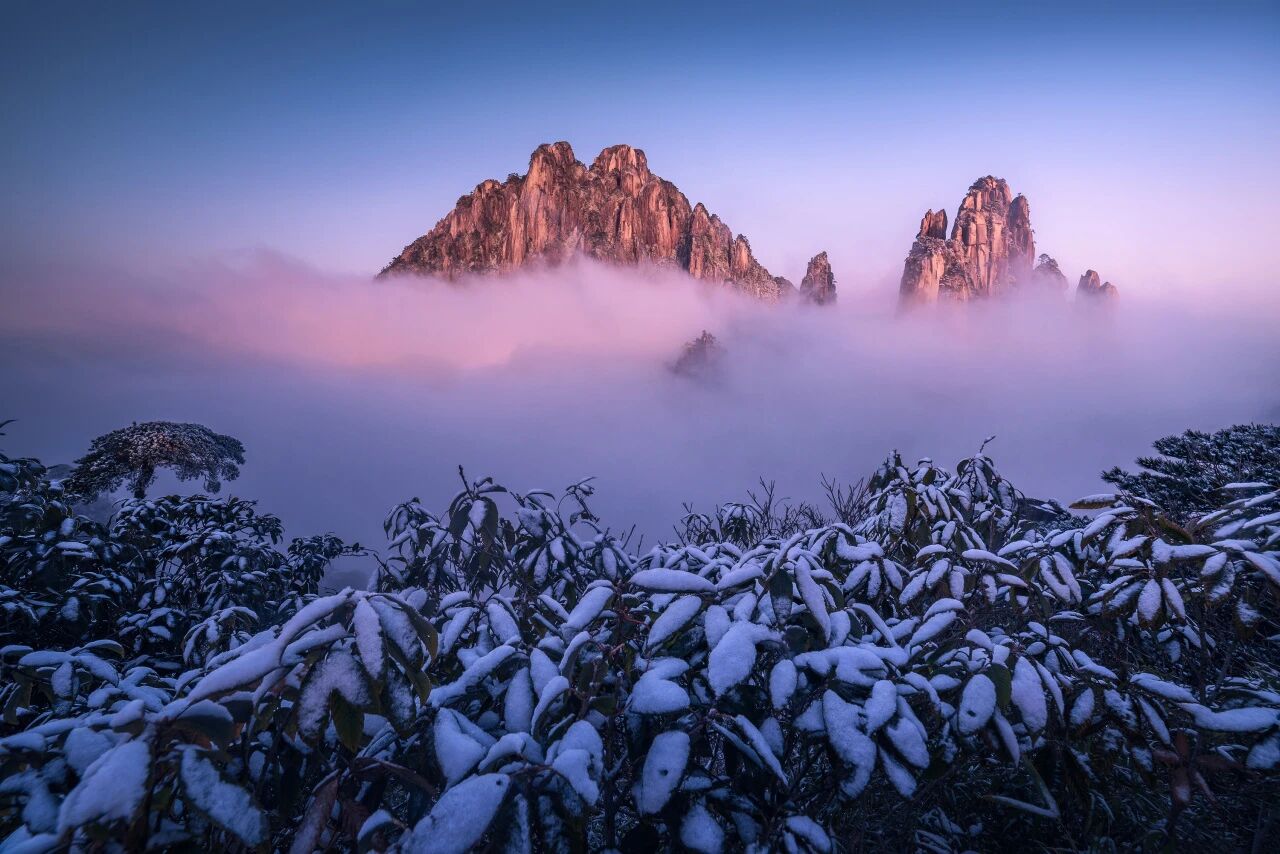
•Sea of Clouds: Warm and moist air currents rise along the steep mountain slopes, cool and condense, forming a large area of stratocumulus clouds among the peak forests, presenting a magnificent momentum.
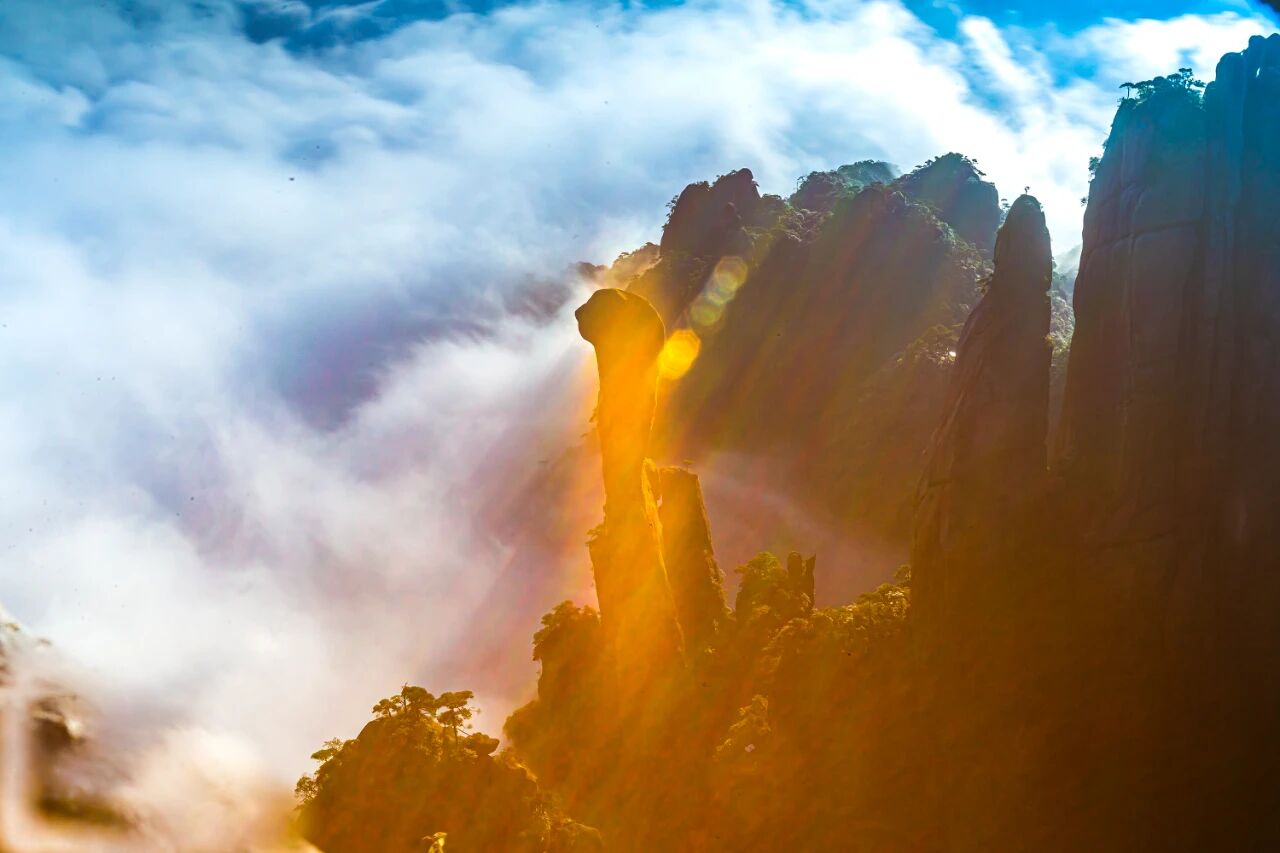
•Buddha Light (Brocken Specter): An atmospheric optical phenomenon formed by the diffraction and reflection of sunlight passing through clouds and fog by water droplets, which requires a specific solar elevation angle to match the thickness of clouds and fog.
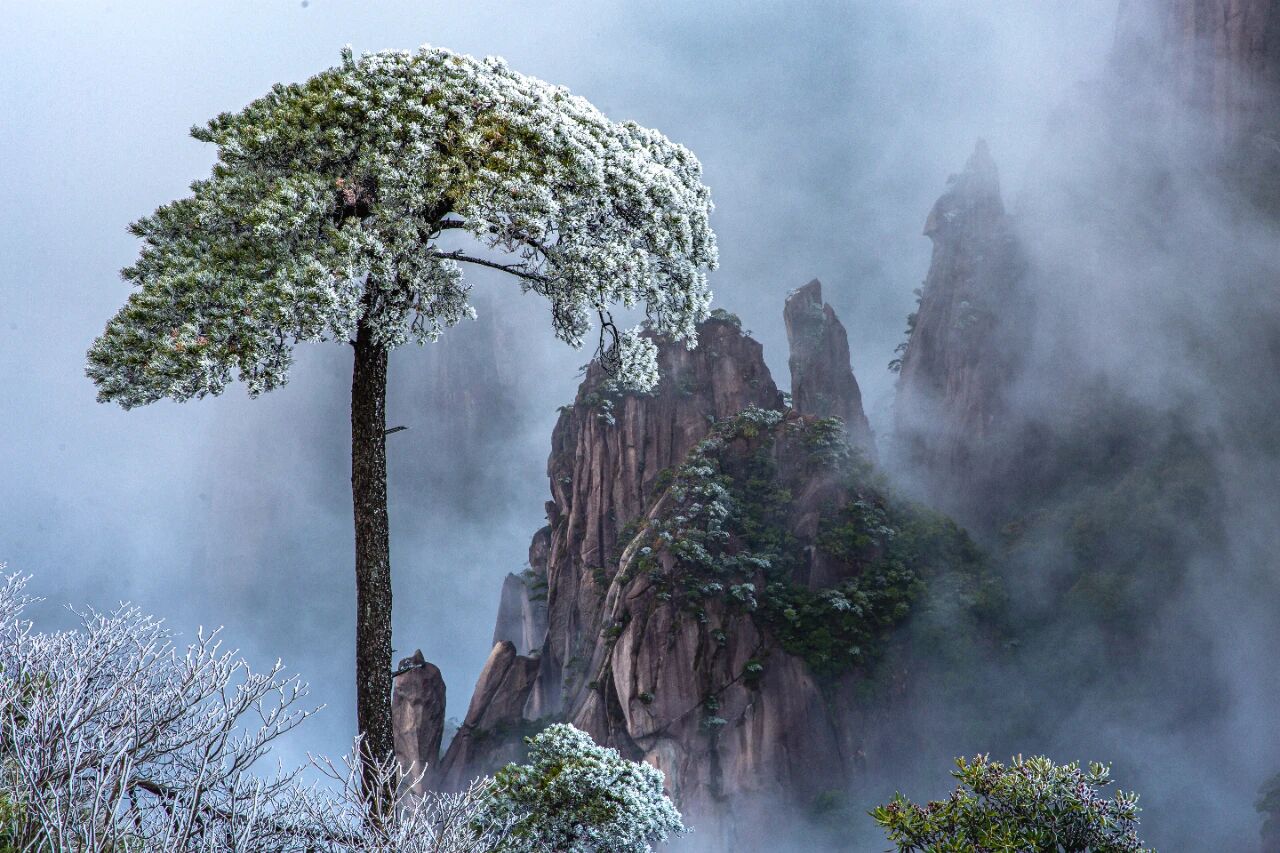
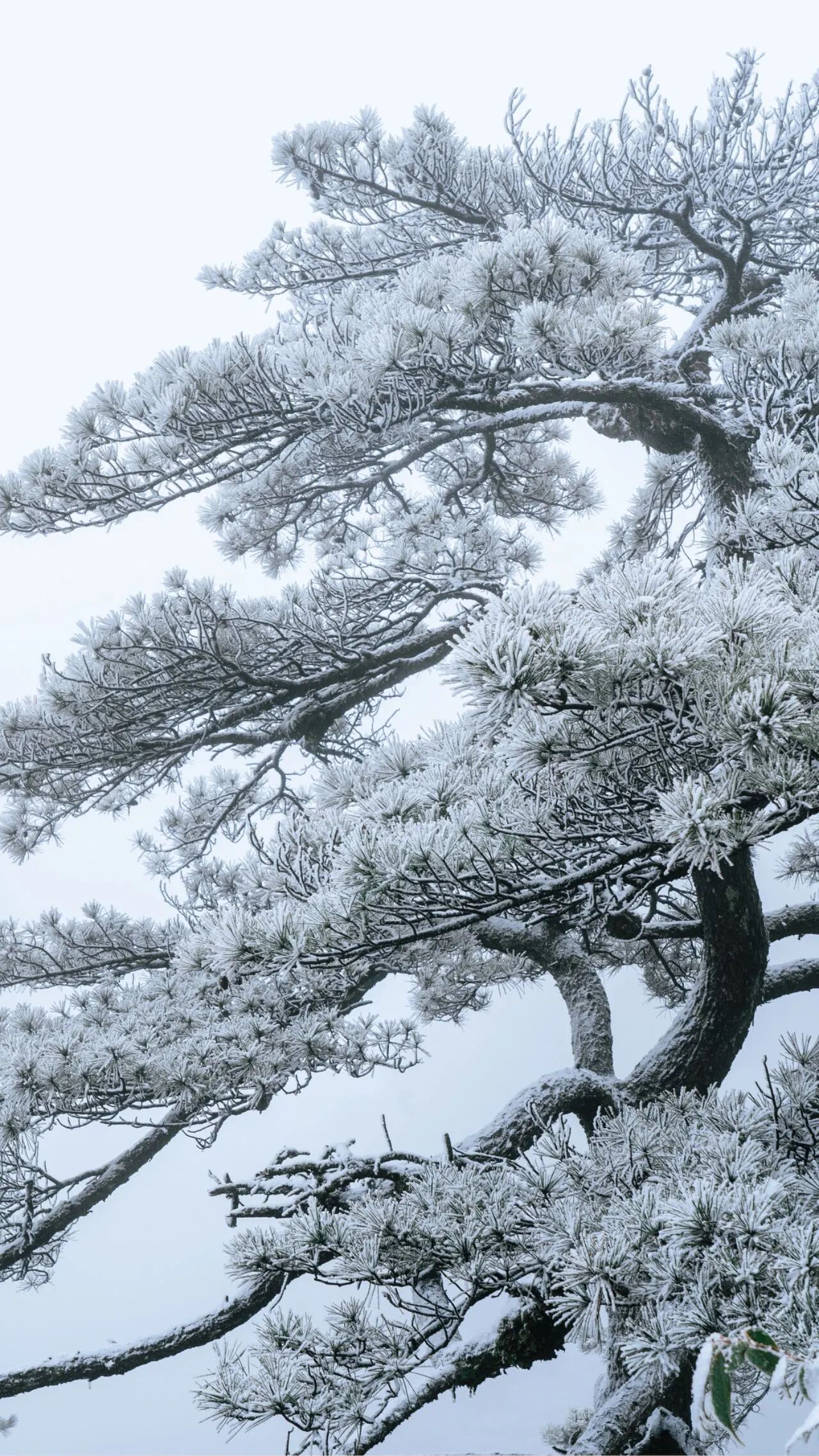
•Rime and Snow Rime: In winter, temperatures can drop to -16°C. Supercooled fog droplets or snowfall sublime and freeze on the surfaces of vegetation and rocks, forming white and crystal-clear ice crystal deposits.
· Landscape Features: The sunrise at Sanqingshan UGGp is magnificent. In winter, it often appears alongside the sea of clouds and Buddha light. The morning light spreads over the peak forests, creating vast and grand scenery known as a fairyland on earth.
· Best Viewing Spots: Jade Platform (classic panoramic viewing spot), Sanqing Temple, Yujing Peak (the commanding height of the main peak).
· Viewing Suggestions: Autumn and winter are the best seasons. Choose clear days, and the optimal viewing period is from 5:30 to 6:00 in the early morning.
2. Sea of Clouds
· Landscape Features: The sea of clouds is the iconic landscape of Sanqingshan UGGp. With surging cloud waves and flowing cloud waterfalls, the peak forests loom in and out, just like a natural ink-wash landscape painting. It has a high occurrence frequency and diverse forms.
· Best Viewing Spots: Open viewing platforms such as Tianzhu Peak, Jade Platform and Sanqing Temple.
· Viewing Suggestions: It mostly occurs from October to March of the following year, and is most spectacular in the morning after rain or when overcast weather turns clear.
3. Buddha Light
· Landscape Features: Buddha Light (Brocken Spectre) is a rare optical wonder at Sanqingshan UGGp. The halo surrounds the human figure, ethereal and dreamy, with a strong sense of mystery and ornamental value.
· Best Viewing Spots: Open areas with suitable cloud and fog conditions such as Yuqing Temple and Dengzhen Platform.
· Viewing Suggestions: It often appears in the morning or evening after rain. The occurrence probability is low, so it is necessary to check the weather and cloud-fog conditions in advance.
4. Rime
· Landscape Features: Under the low-temperature and high-humidity environment in winter, supercooled water vapor sublimates on branches and rocks to form rime like jade trees and flowers,white, crystal-clear, elegant and stunning.
· Best Viewing Spots: Yuqing Temple, mountainside and high-altitude forest areas.
· Viewing Suggestions: It mainly occurs from December to February of the following year, and is most likely to form in cold and foggy weather.
5. Snow Rime
· Landscape Features: After snowfall, snowflakes attach to branches to form soft and beautiful snow rime, which often appears together with rime. The whole mountain is covered in white, full of poetic charm.
· Best Viewing Spots: Yuqing Temple and high-altitude areas.
· Viewing Suggestions: It mostly appears after snowfall or during continuous low-temperature periods. Please keep warm and take care against slipping when climbing.
Meteorological landscapes in Sanqingshan UGGp are highly time-sensitive and demanding on weather conditions. It is recommended to check the accurate weather forecast before traveling. Given the precipitous terrain of the Geopark, please plan your route reasonably, pay attention to safety while climbing, and enjoy the scenery in a civilized manner.
