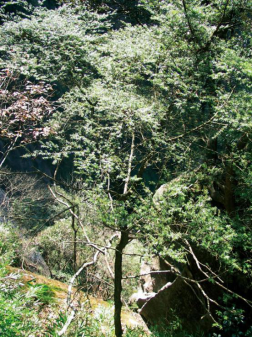
The Geopark is located in the eastern part of mid-subtropical area and belongs to Eastern China Area of Sino-Japan Subregion of Holarctic Region. With the warm and wet climate, sufficient sunshine, abundant rainwater and multiple terrains, there are plenty plant species here. The higher plant found out in the Geopark are 2373 species which belong to 253 families and 984 species. Among them, there are bryophyte of 326 species, 165 genera and 65 families, ferns of 179 species, 71 genera and 34 families, gymnosperm of 24 species, 22 genera and 6 families and angiosperm of 1802 species, 726 genera and 148 families. Here grows not only abundant plants of evergreen broad-leaf forest zone in China mid-subtropical areas but also pinacease pseudotsuga plants, especially it is the distribution center of pseudotsuga gaussenii in the world.
In the Geopark there are 68 genera of East Asian-North America intercontinental disjunctive distribution plants which are 56.2% of such genus in China. This means that Sanqingshan UGGp is not only the core area of East Asian-North America discontinuous flora, but also one of the important distribution centers of East Asian plants. The planting area of pseudotsuga gaussenii reaches 533 hectares and is the largest of East China. Furthermore, the prosperous and stable community of pseudotsuga gaussenii declares that it is the best place to discuss and investigate pinacease migration genesis research of the cradle geosites of North America flowering fir evolution.
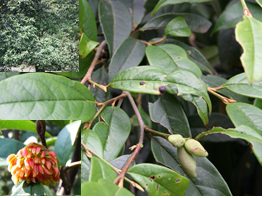
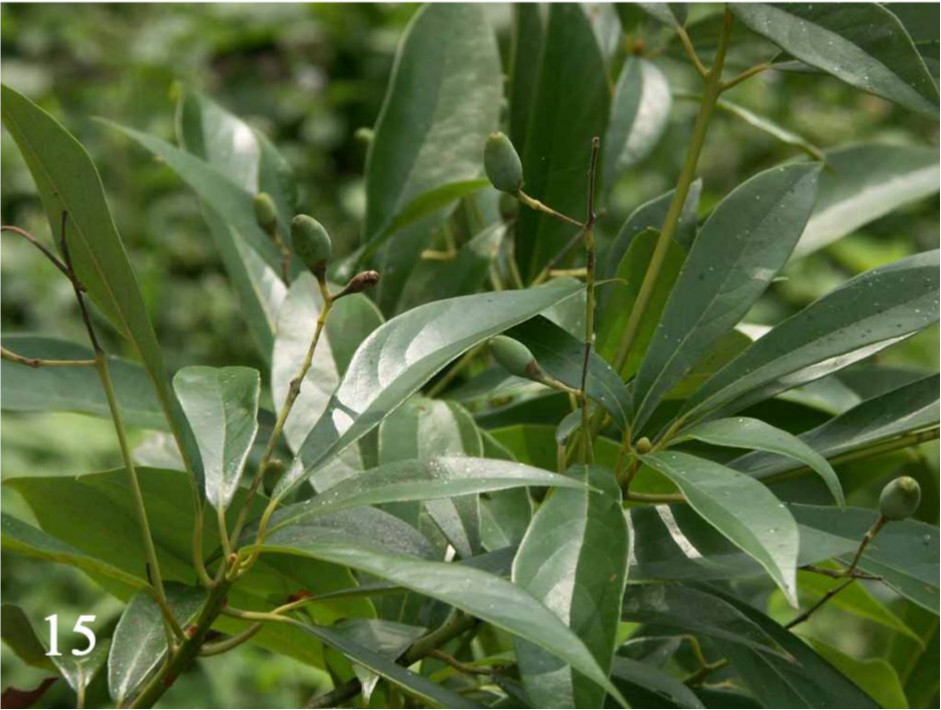
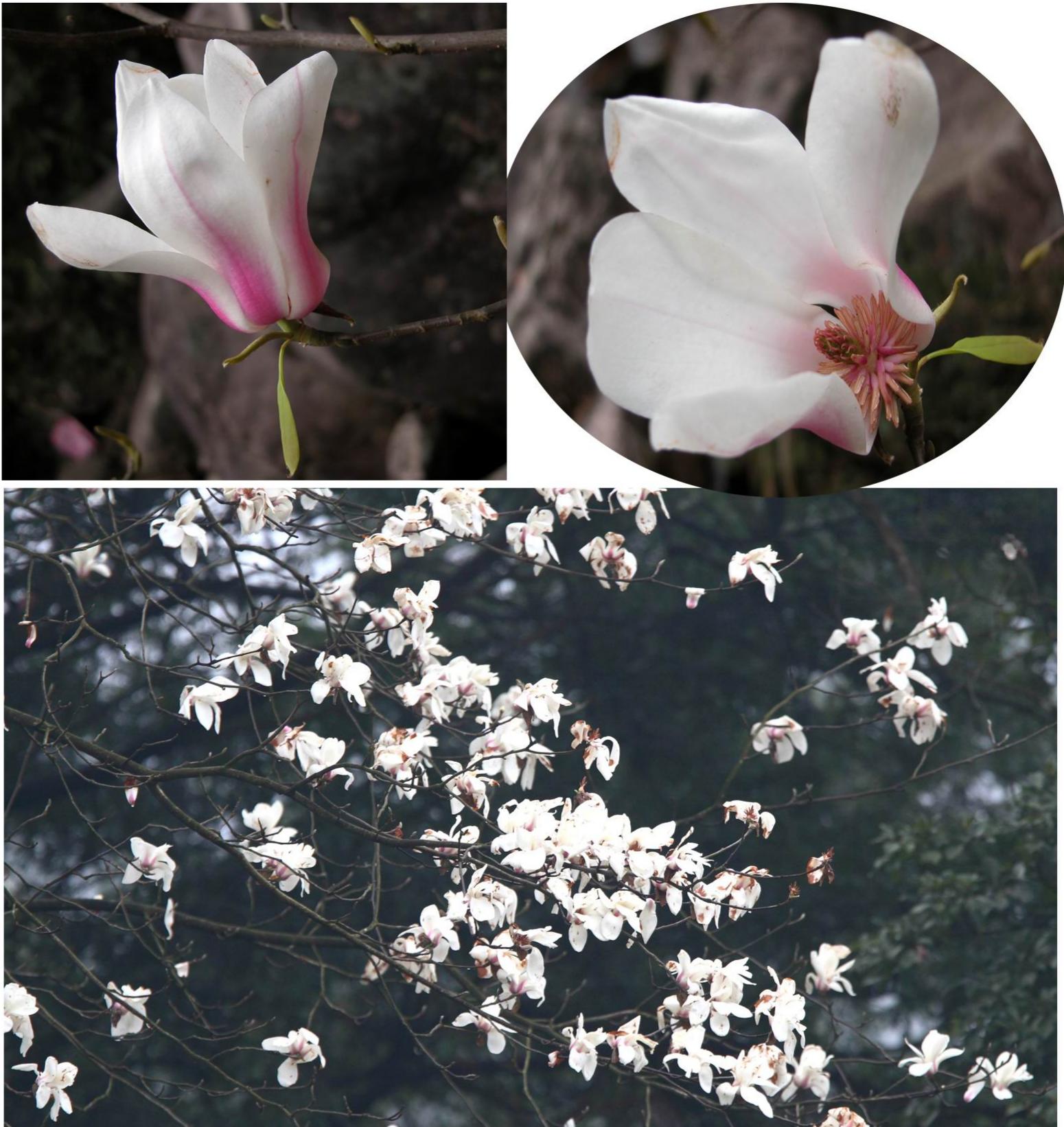
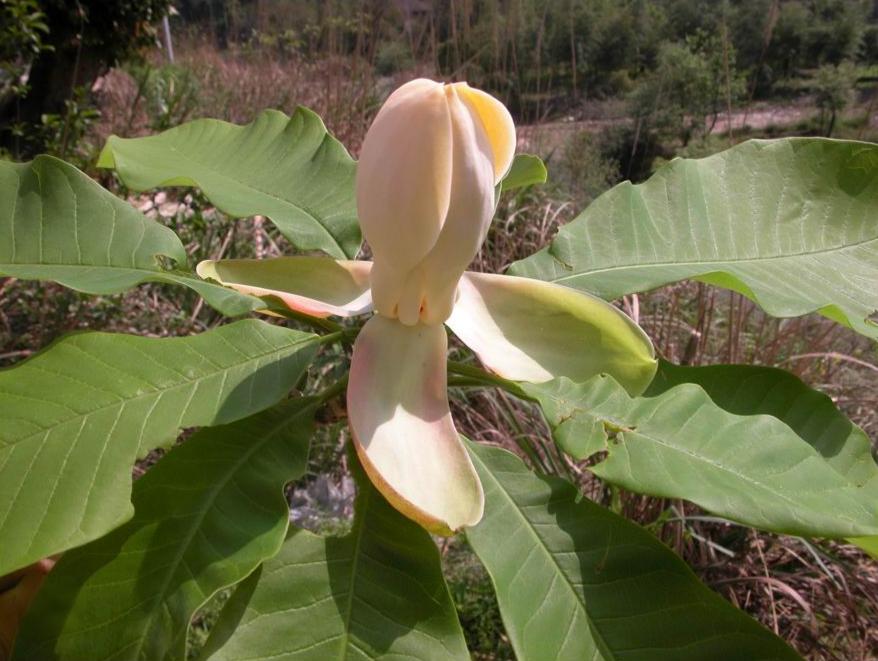
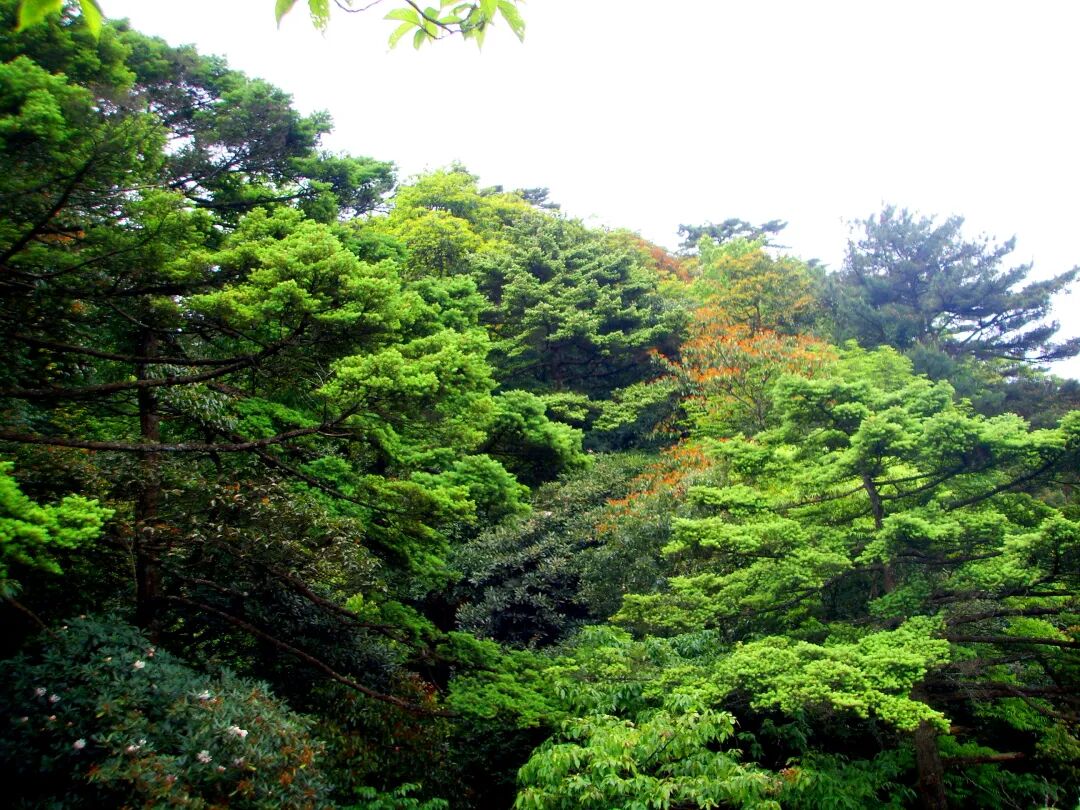
In the core area of Sanqingshan UGGp, with abundant diversity of species, there are many characteristic and endemic species and the formed various kinds of characteristic plant communities, called as the corridor of species and ecological wonders. Up along the aerial walkway in the west coast, there’re various characteristic species in order such as Rhododendron simiarum, Pinus taiwanensis, Cyclobalanopsis glauca, Schima superba, Sorbus pohuashanensis, Lindera obtusiloba, pepperbush, Sorbus folgneri, Litsea cubeba and Lisea coreana in low elevation area, rare and endangered species in medium elevation area such as Magnolia cylindrical, Taxus chinensis var mairei, pseudotsuga gaussenii and fokienia hodginsii and in high elevation area such as Pinus taiwanensis Hayata, pseudotsuga gaussenii, castanopsis sclerophylla schott, Chinese enkianthus, pepperbus and Yuanshanian fargesia.
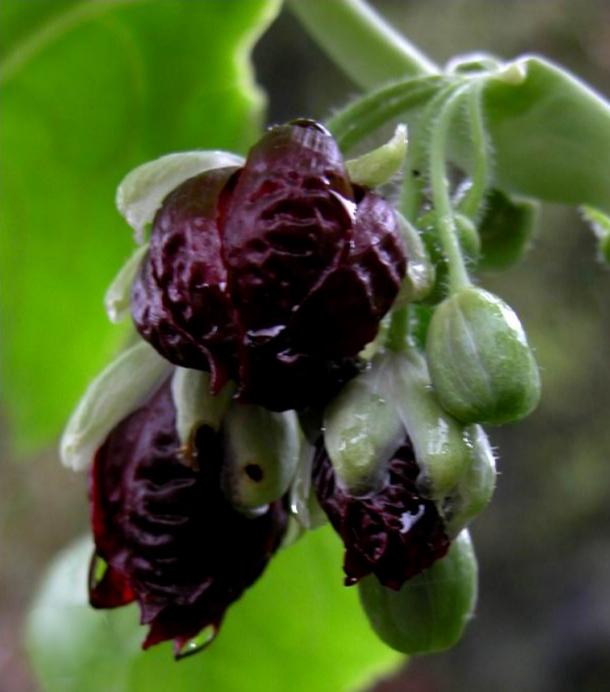
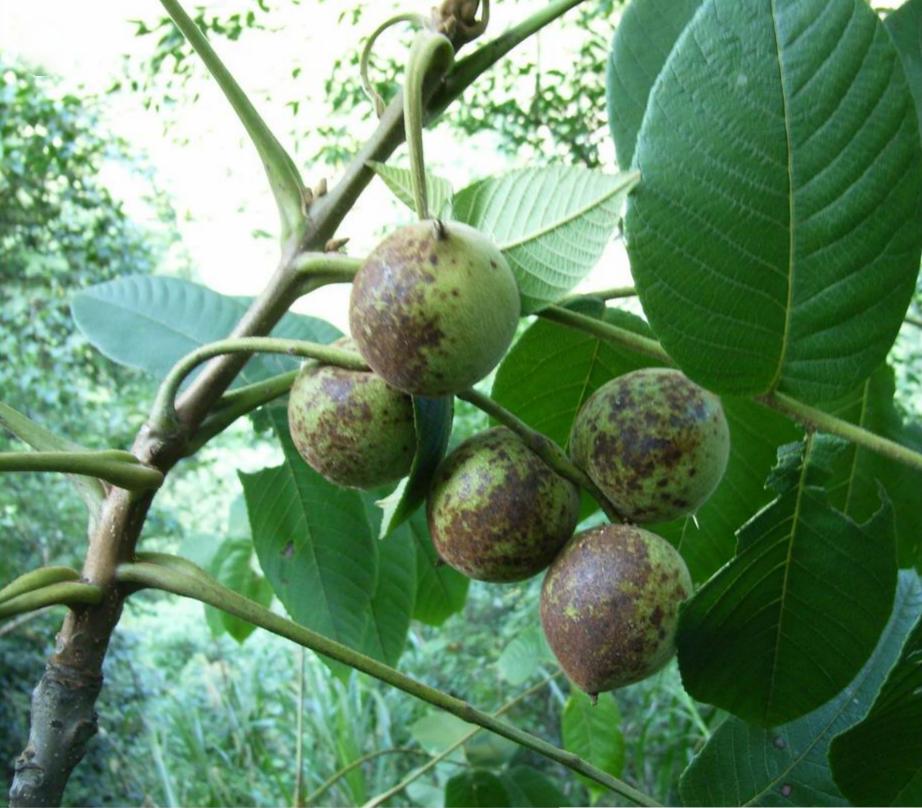
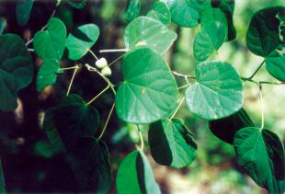
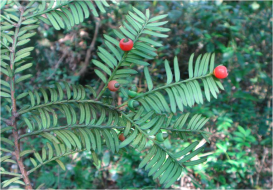
Python Valley is located from Nanqing Garden to the southeastern Jinsha Lowland Valley and grows rare species or flora characteristic species such as Disanthuscercidifolius, Stewartia sinensis, Magnolia cylindrical, Sycopsis sinensis Oliver, Corylopsis spicata and Pseudotaxus chienii among those some species belong to East Asian- North America disjunctive distribution genus such as Stewartia sinensis, Magnolia cylindrical, magnolia sieboldii, sassafras, Taxus chinensis var mairei, Illicium jiadifengpi, escallonia and Halesia macgregorii.
From the perspective of the entire Sanqingshan region, there exist large areas of various rare communities, such as the Pseudotaxus chienii forest community, Pseudotsuga gaussenii forest community, Disanthus cercidifolius subsp. longipes forest community, Stewartia sinensis forest community, Tsuga tchekiangensis forest community, Buxus sinica var. parvifolia scrub community, Illicium jiadifengpi forest community, and Liquidambar acalycina forest community. Many of the dominant and constructive species listed above are genera with an East Asia-North America disjunct distribution and are also typical ancient groups. Particularly in the zone at an altitude of 1,300–1,600 m, characteristic species represented by families including Hamamelidaceae, Magnoliaceae, Taxaceae, and Theaceae successively occur in sample plots of approximately 1,200–1,600 m². These families exhibit an East Asia-North America disjunct distribution pattern, represent primitive groups of gymnosperms and angiosperms, and also serve as characteristic taxa of the subtropical mountain flora of China.
The Geopark has 9 vegetation types, dominated by evergreen broad-leaved forests, mixed evergreen and deciduous broad-leaved forests, warm-temperate evergreen coniferous and broad-leaved mixed forests, warm-temperate coniferous forests, and krummholz, with temperate coniferous forests, temperate coniferous and broad-leaved mixed forests, bamboo forests, and mountain meadows interspersed among them.
Krummholz represent an important vegetation type that best embodies the unique aesthetic value of Sanqingshan's exquisite ecological landscape. They are mainly distributed on steep slopes at an altitude of 1,000 m, hence they are also known as "steep-slope krummholz". The main plant components include:
Pinus hwangshanensis, Pseudotaxus chienii, Juniperus formosana, Torreya grandis, Yushania niitakayamensis, Rhododendron fortunei, and Enkianthus quinqueflorus. Mountain meadows are distributed on gentle slopes with good water retention at an altitude of 1,500–1,600 m, with the dominant plants being Scirpus asiaticus and Scirpus subcapitatus.
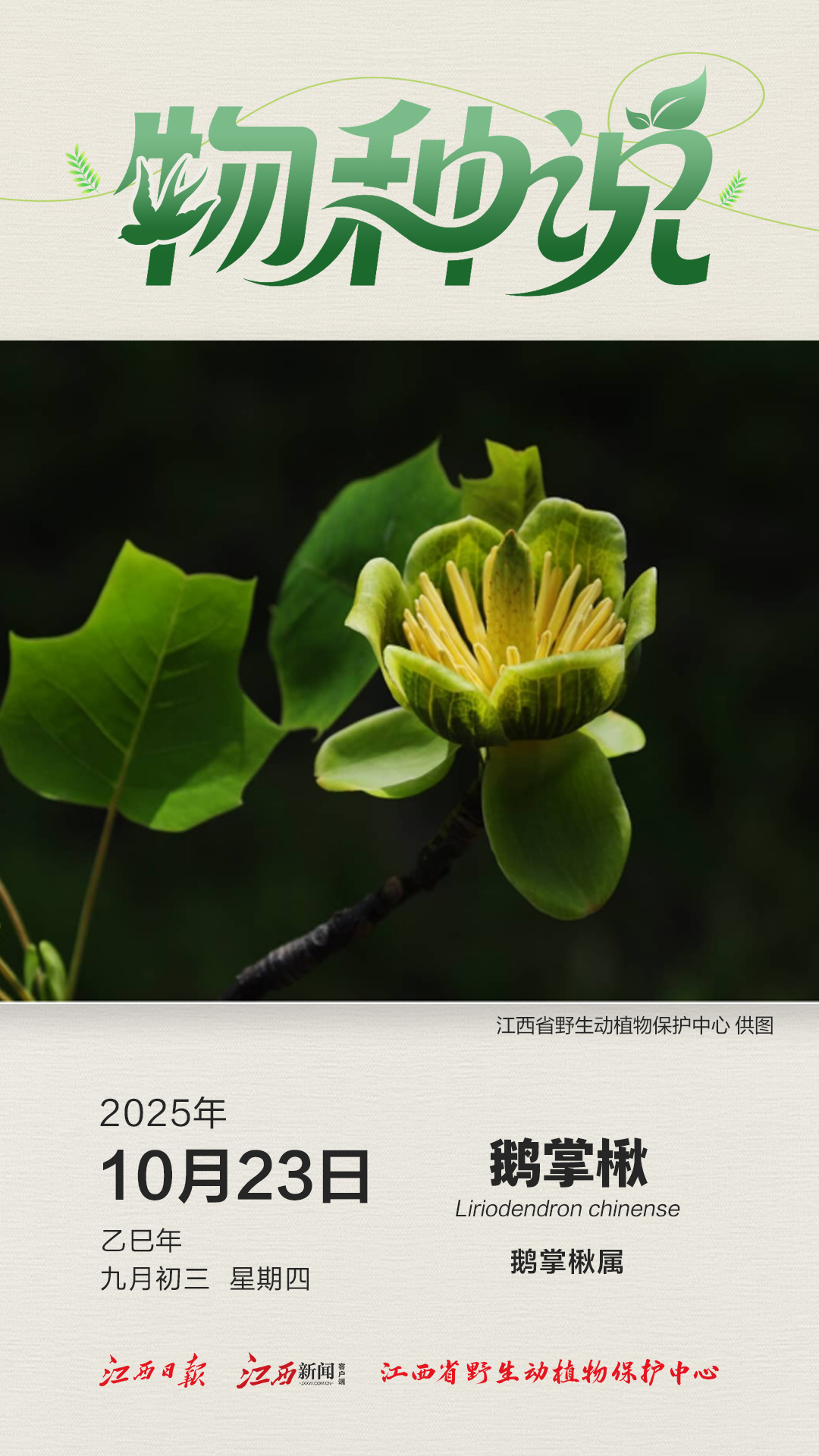
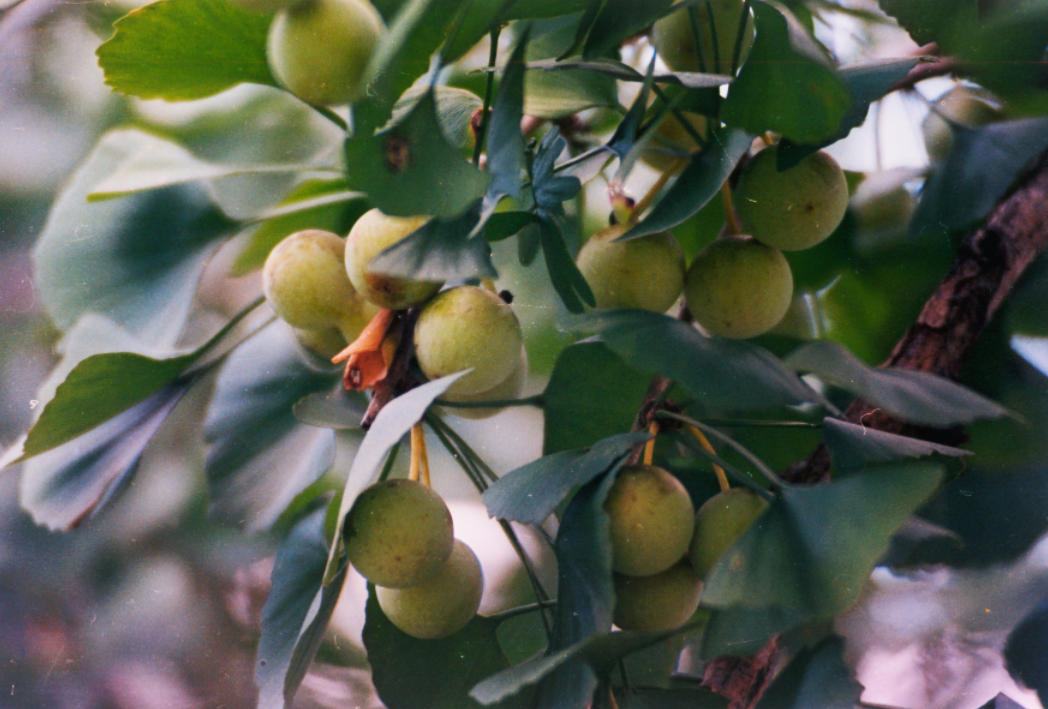
Furthermore, during the middle and late Tertiary period, Sanqingshan became a biological refuge for many ancient plant species due to its warm and humid climatic conditions and complex topographical environment. The relict plants preserved here have morphologies essentially identical to those found in fossils, retaining the primitive forms of their ancient ancestors, and are thus known as "living fossil" plants. Sanqingshan boasts an extremely rich diversity of relict plant species, including Ginkgo biloba, Liriodendron chinense, Pseudotaxus chienii, Fokienia hodginsii, and Disanthus cercidifolius subsp. longipes, which fully demonstrates the richness and uniqueness of the relict plant groups in Sanqingshan.