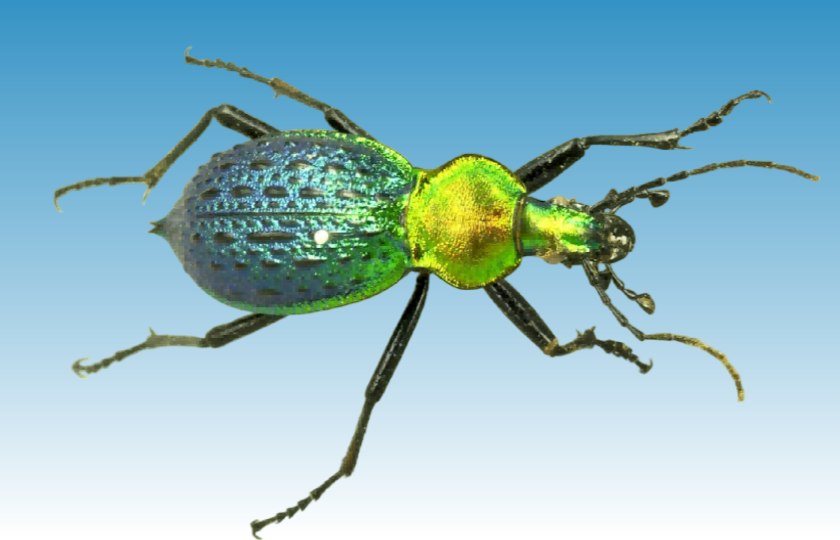
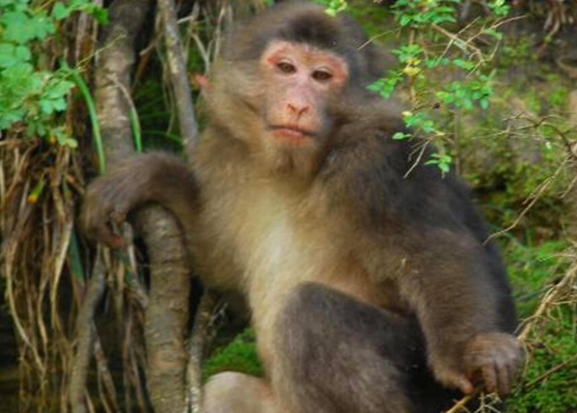
Sanqingshan UGGp is located in the eastern part of central subtropical China. Zoogeographically, it belongs to the Eastern Hill-Plain Subregion of Central China Region, Indo-Malayan Subrealm, and Oriental Realm. Due to its mountainous climate and complex habitats, coupled with a forest coverage rate of 90.1% and a stable ecological environment, the Geopark provides superior conditions for the inhabitation and reproduction of various animal species. Some Palearctic species have penetrated into this area, forming a fauna characterized by a predominance of Oriental species accompanied by Palearctic components. According to surveys, approximately 70% of amphibian, reptile, and bird and mammal species are of Oriental origin, while about 30% have evolved from Palearctic immigrants. The insect fauna is extremely complex, with the main types being the Indo-Malayan formation and the Indo-Malayan-West China formation of the Oriental Realm. At present, a total of 1,728 animal species including birds, mammals, insects, amphibians and reptiles have been recorded in the Geopark, among which 54 are national key protected wild animal species.
A total of 401 vertebrate species have been recorded in Sanqingshan UGGp, belonging to 5 classes, 32 orders and 104 families, including 36 species of Pisces, 23 species of Amphibia, 49 species of Reptilia, 226 species of Aves and 67 species of Mammalia. 1,327 insect species have been identified, belonging to 15 orders, 127 families and 882 genera. Three new species have been discovered:
Exothotettix jiangxiensis Liang et Jia sp. nov.,
Sinopodisma sanqingshana Liang et Jia sp. nov.,
and Agraphydrus longipalpus Jia sp. nov.
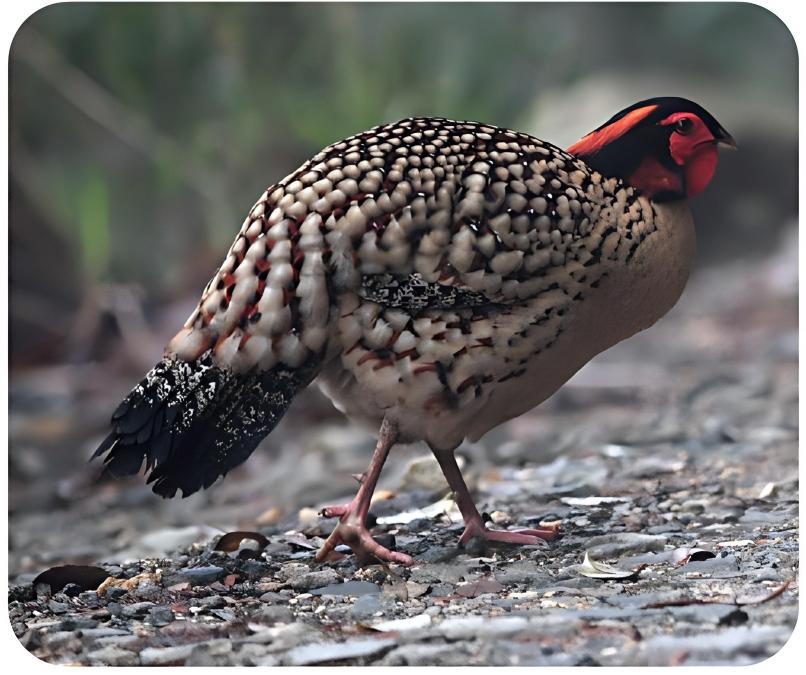
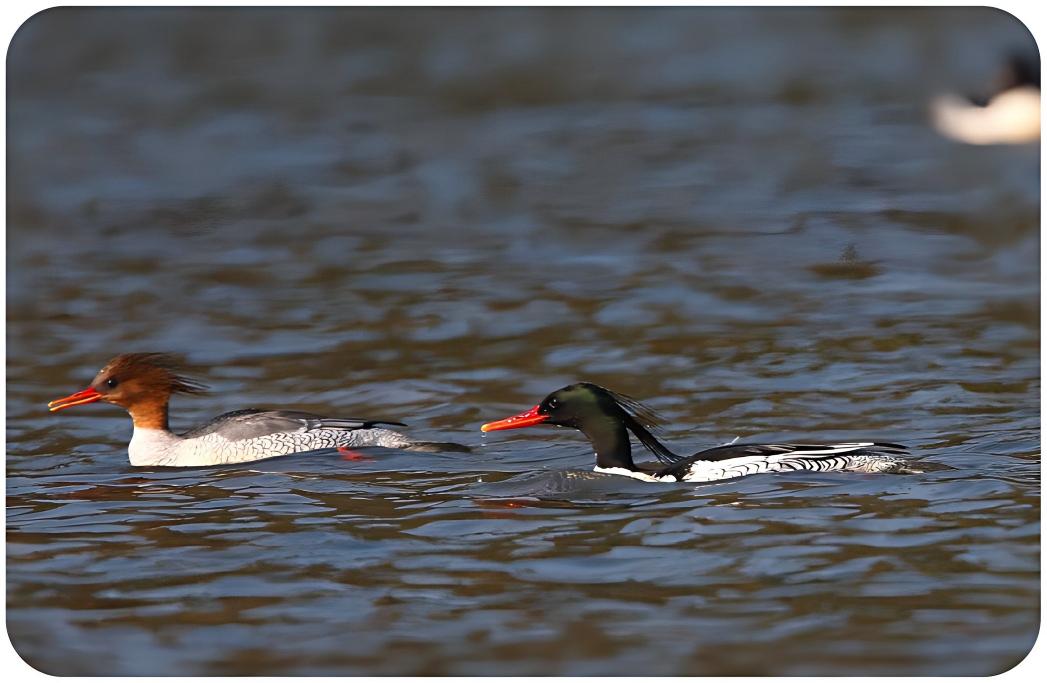
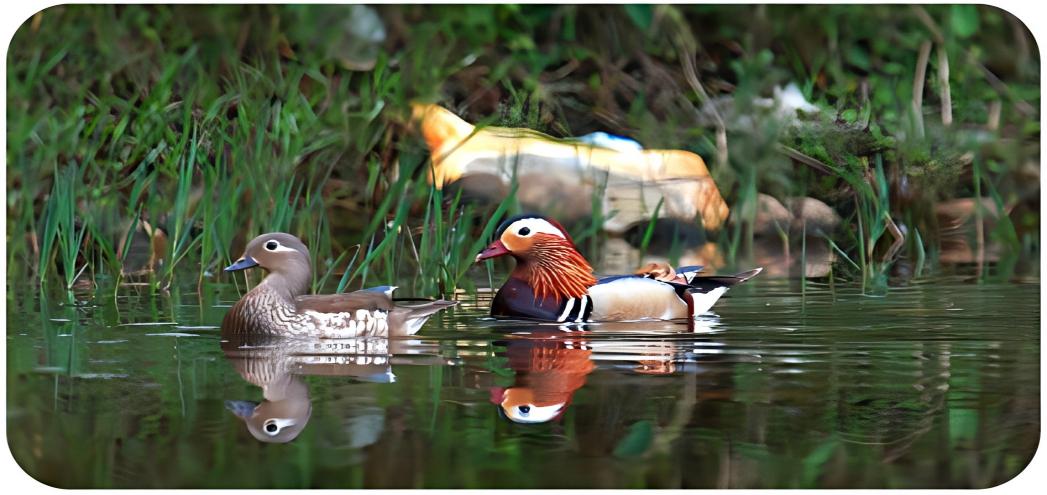
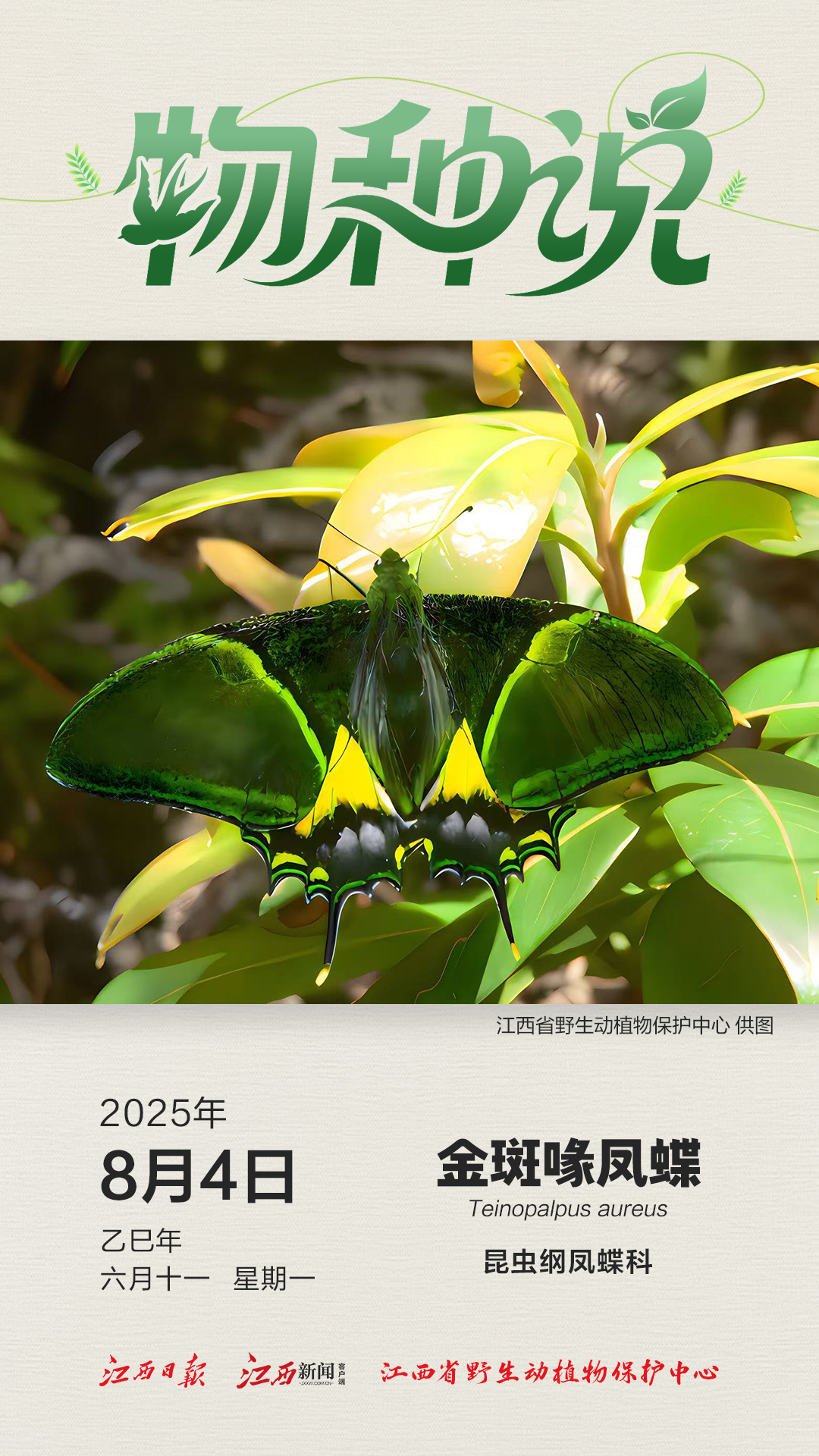
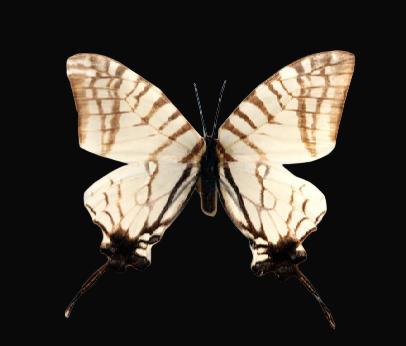
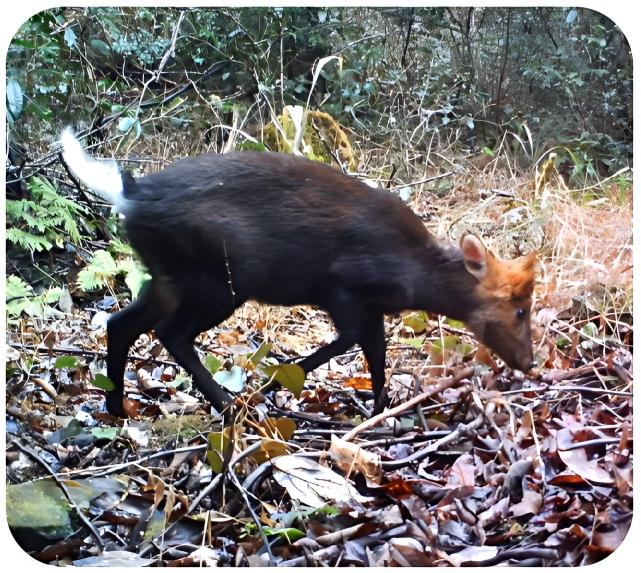
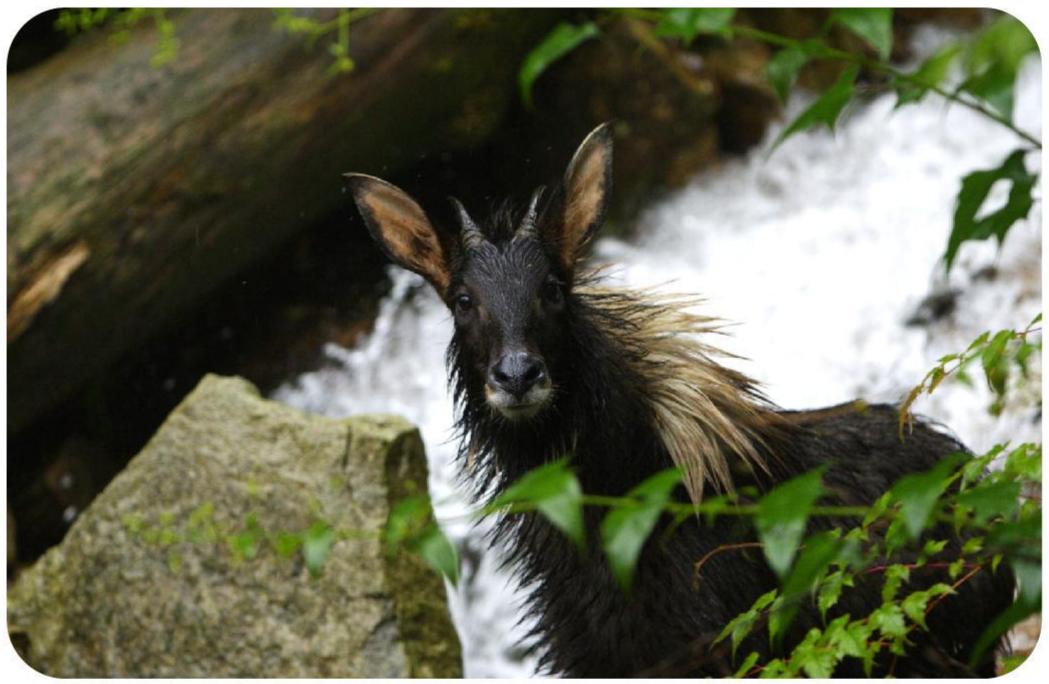
There are 8 species of Class I national key protected wild animals in the Geopark, namely the clouded leopard, leopard, Chinese pangolin, black muntjac, Elliot's pheasant, Cabot's tragopan, Chinese merganser, and golden Kaiser-i-Hind butterfly. There are 47 species of Class II national key protected wild animals, including the rhesus macaque, Tibetan macaque, dhole, Asiatic black bear, yellow-throated marten, Eurasian otter, large Indian civet, small Indian civet, golden cat, Chinese water deer, Chinese serow, tufted deer, mandarin duck, tiger frog, etc. Common protected wild animals of the "Three Values" category (terrestrial wild animals with important ecological, scientific, and social values as stipulated in the Wild Animal Protection Law) include: Reeves's muntjac, masked palm civet, wild boar, squirrel, hare, sparrow, ring-necked pheasant (wild populations only), spiny-breasted frog, and Elaphe carinata, etc.
Nearly 21 species of vertebrates and insects in Sanqingshan UGGp are listed as Near Threatened (NT) or higher on the IUCN Red List of Threatened Species, namely: clouded leopard, leopard, black muntjac, rhesus macaque, Tibetan macaque, Chinese pangolin, dhole, Asiatic black bear, golden cat, Chinese water deer, Chinese serow, harvest mouse, Malayan porcupine, Cabot's tragopan, Elliot's pheasant, grey-headed lapwing, Bohemian waxwing, brown-breasted flycatcher, flat-shelled turtle, Chinese pond turtle, and Chinese softshell turtle.